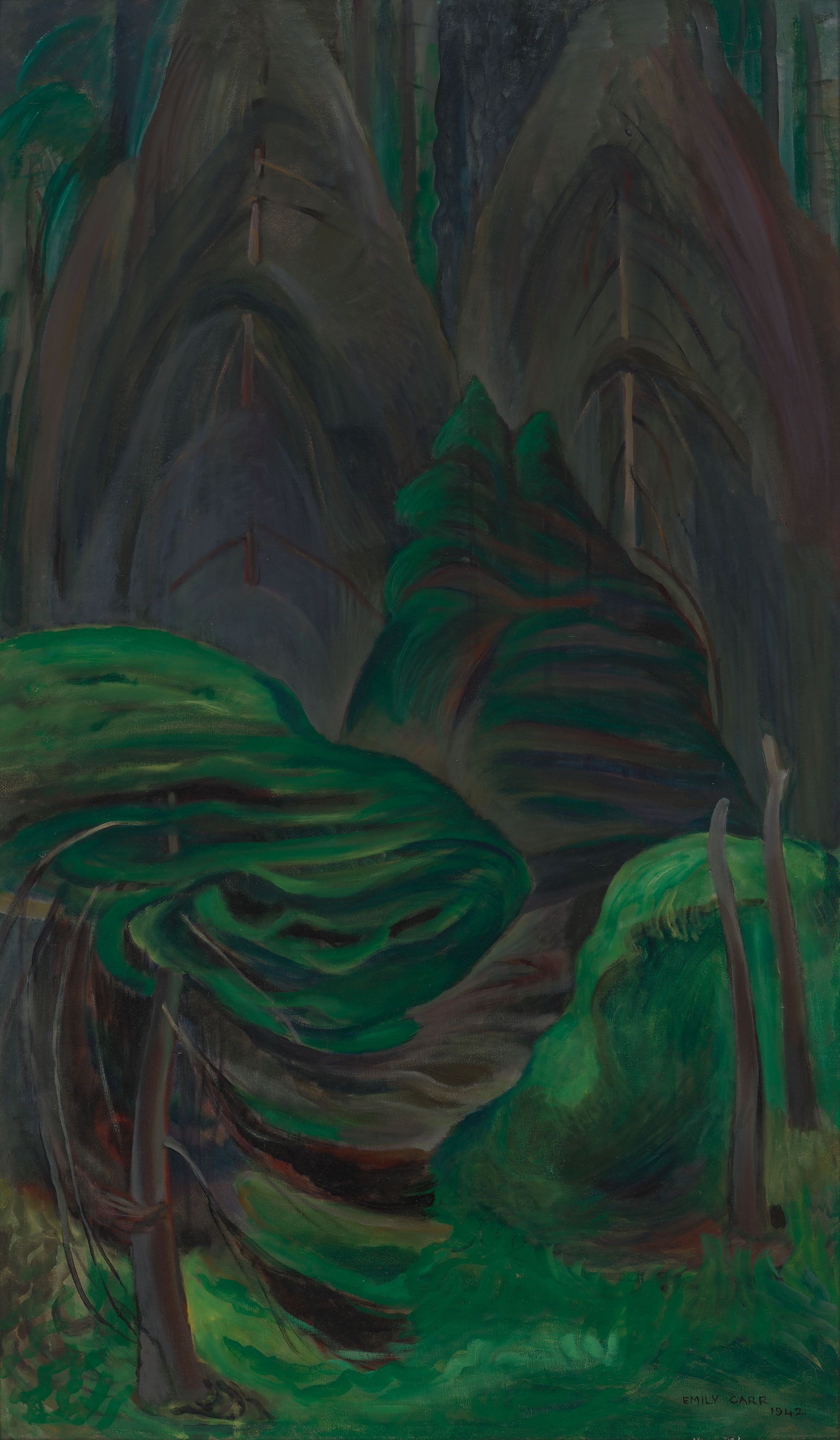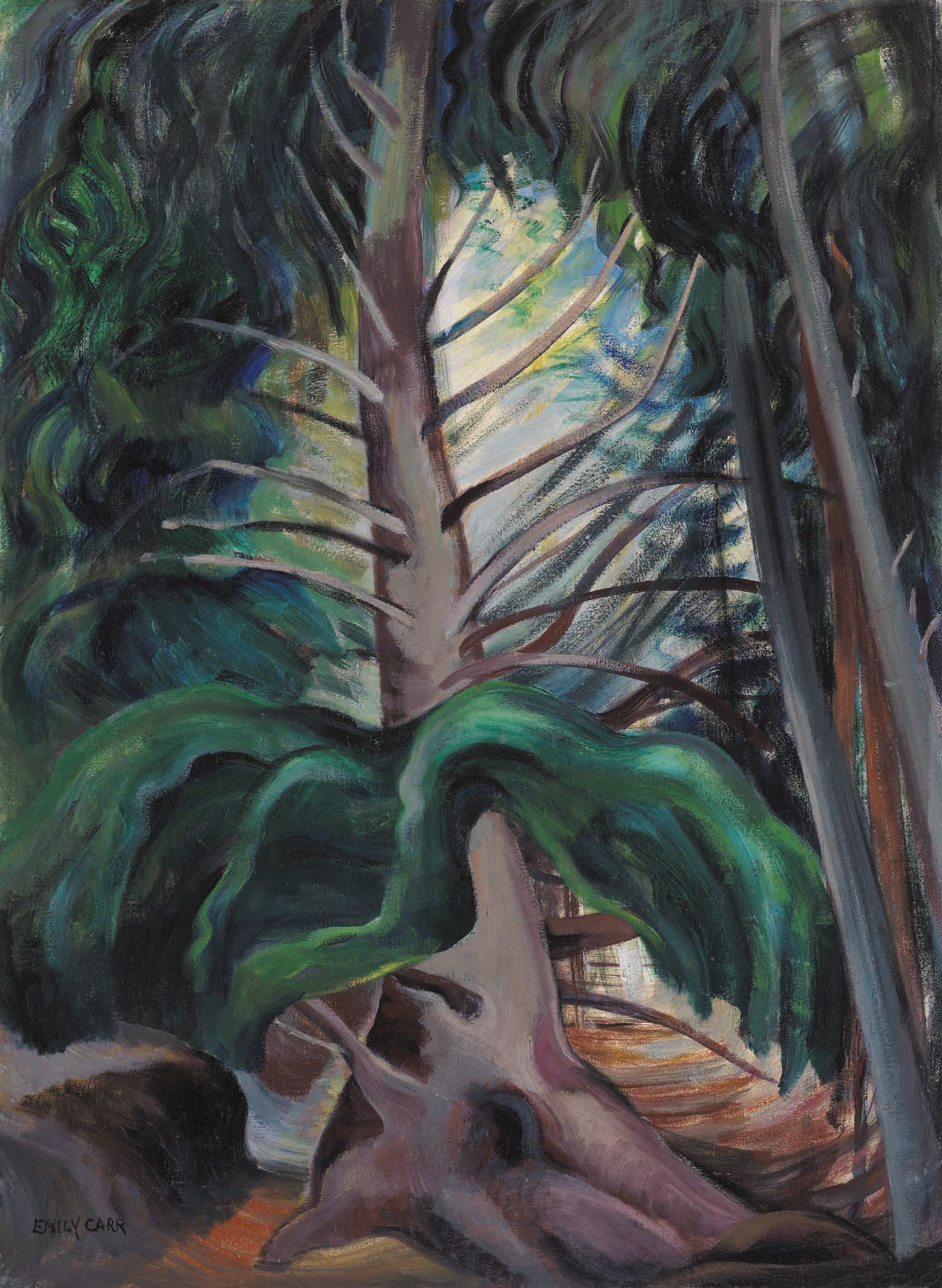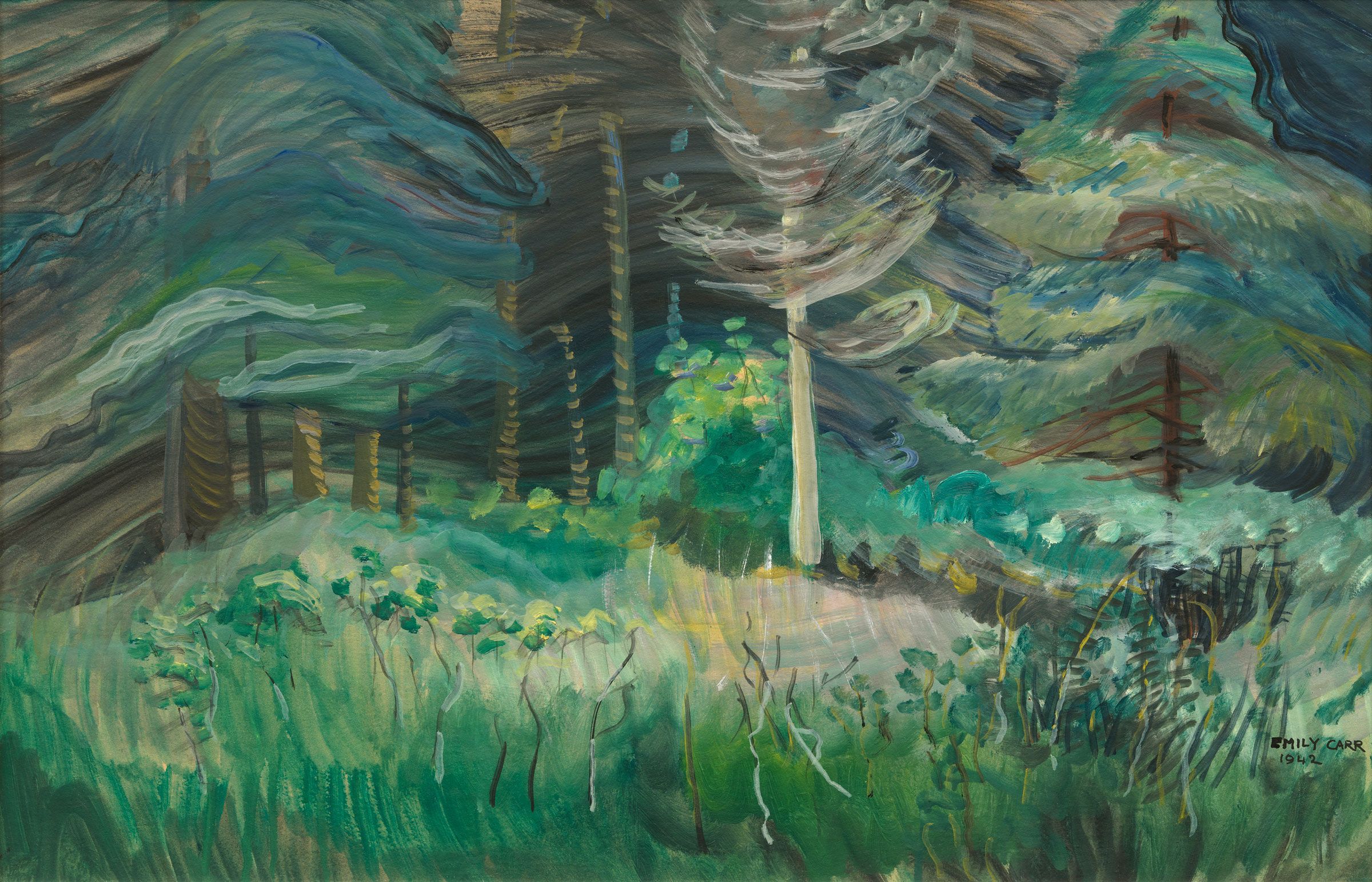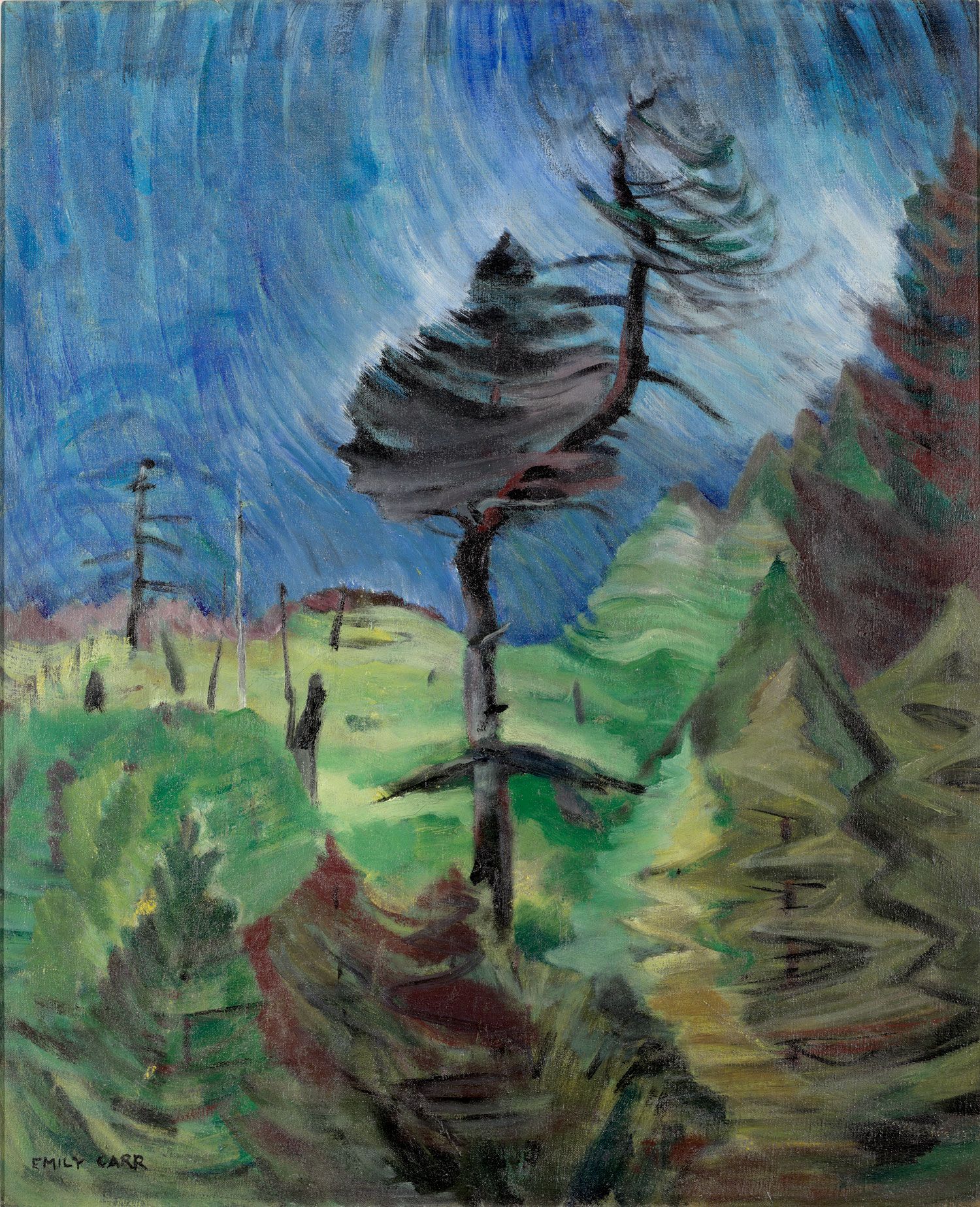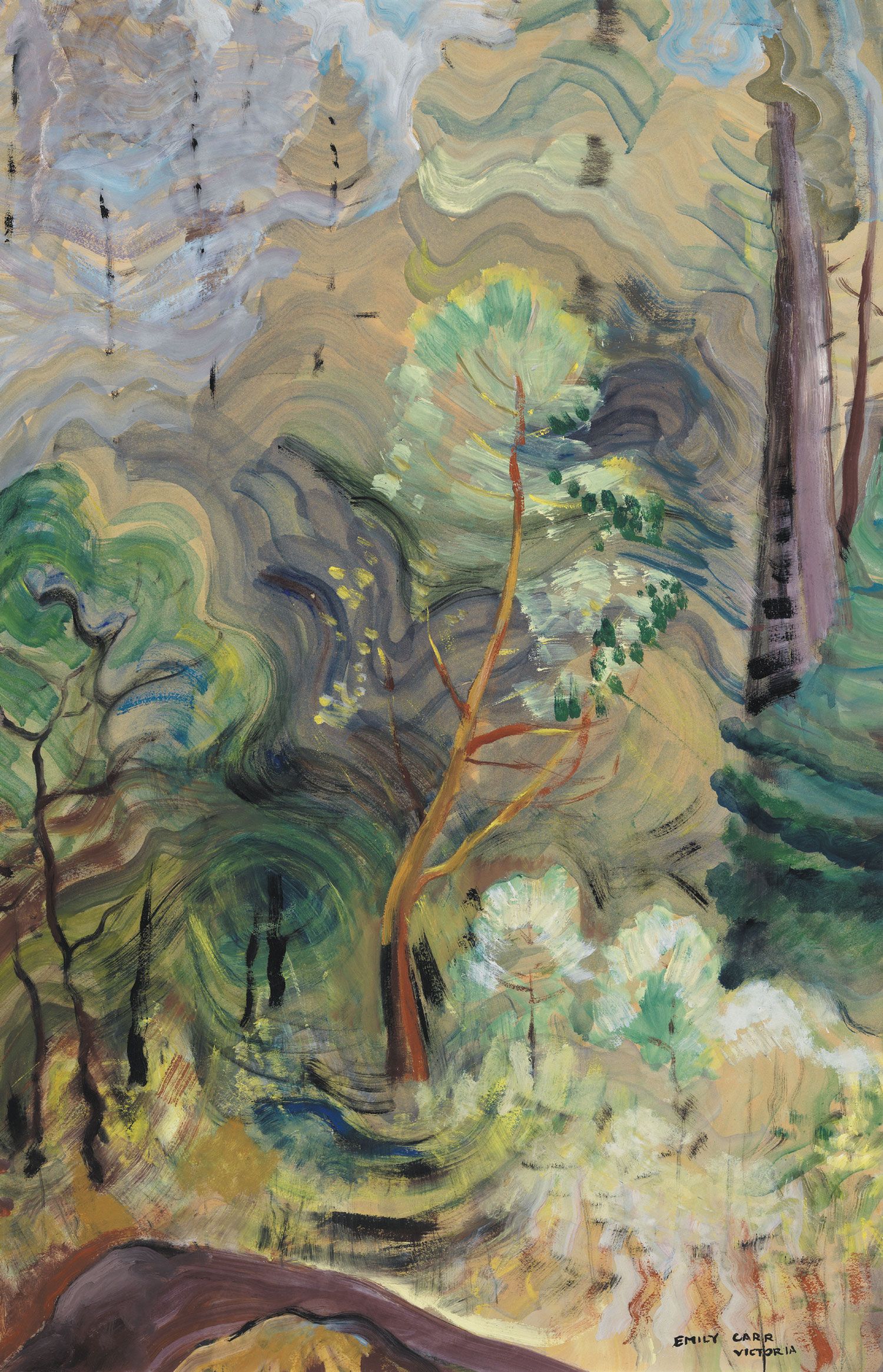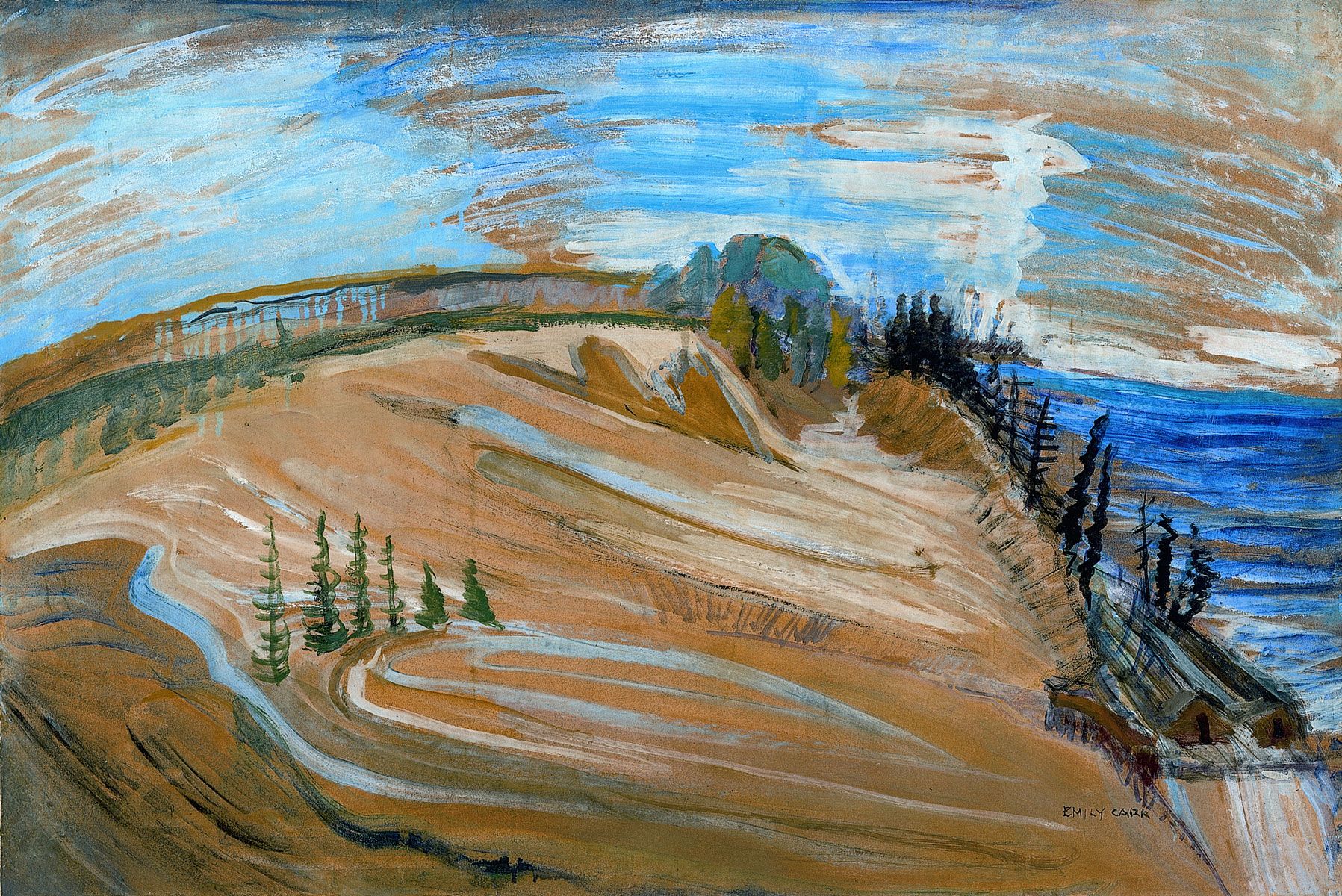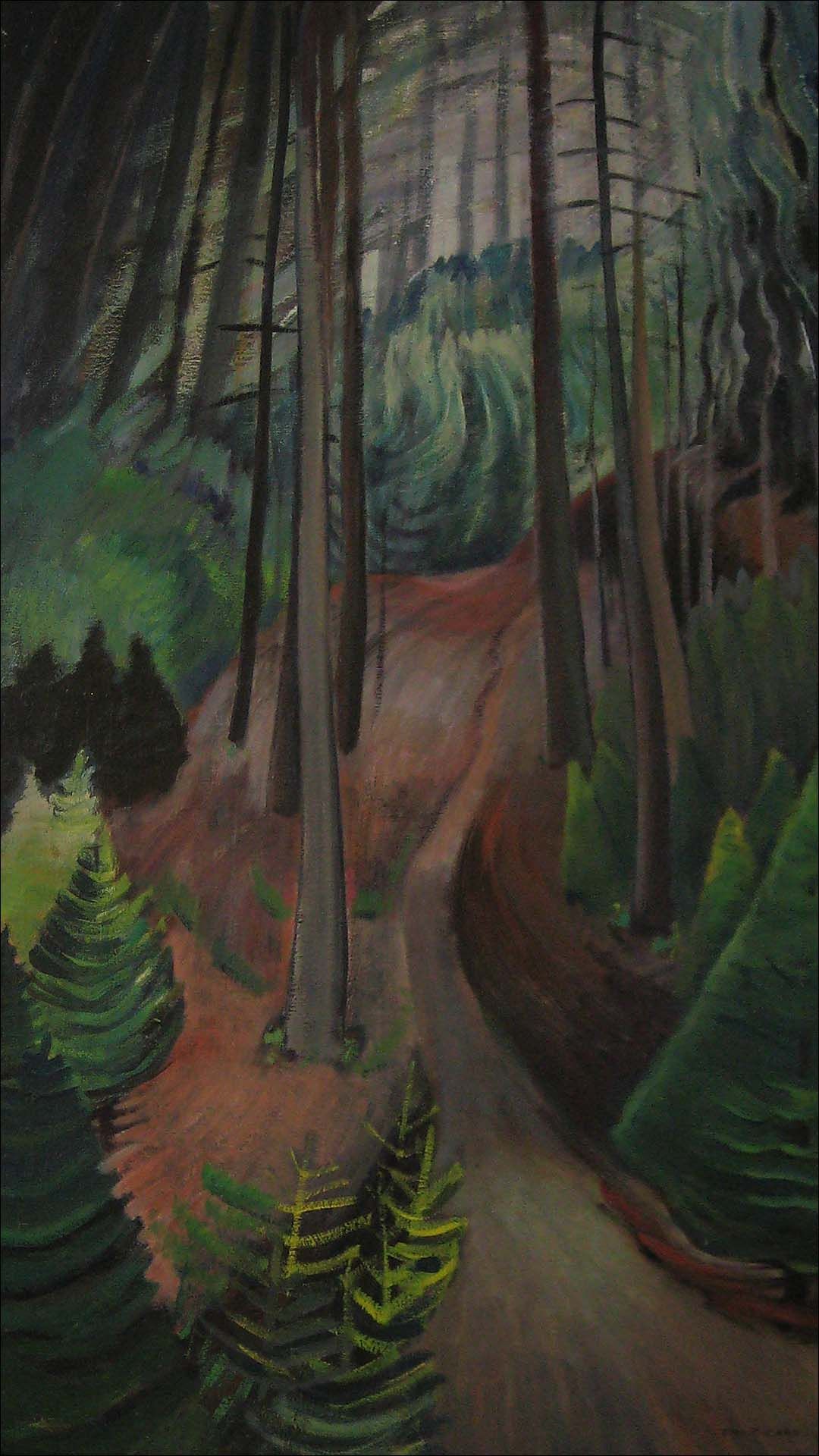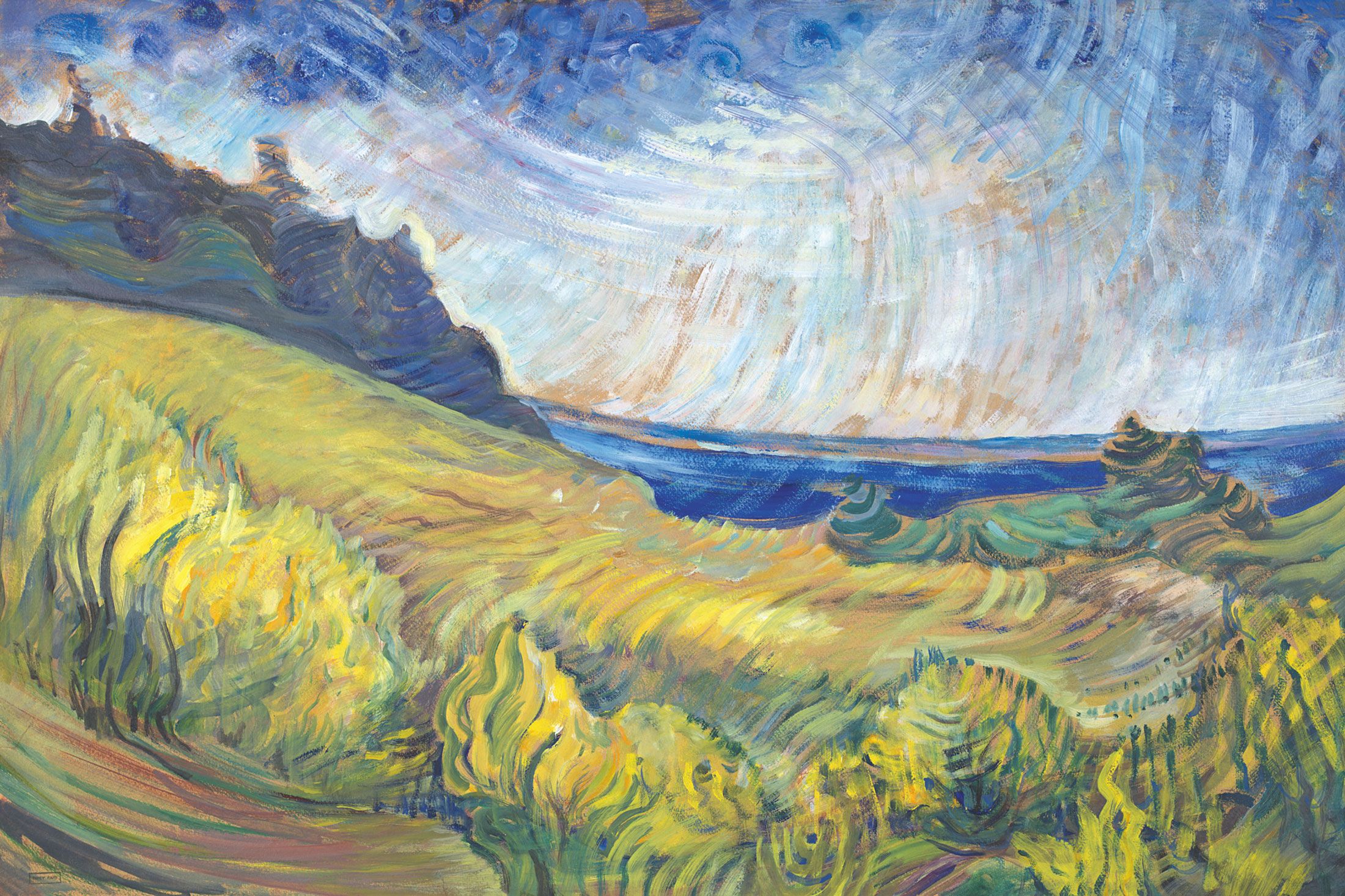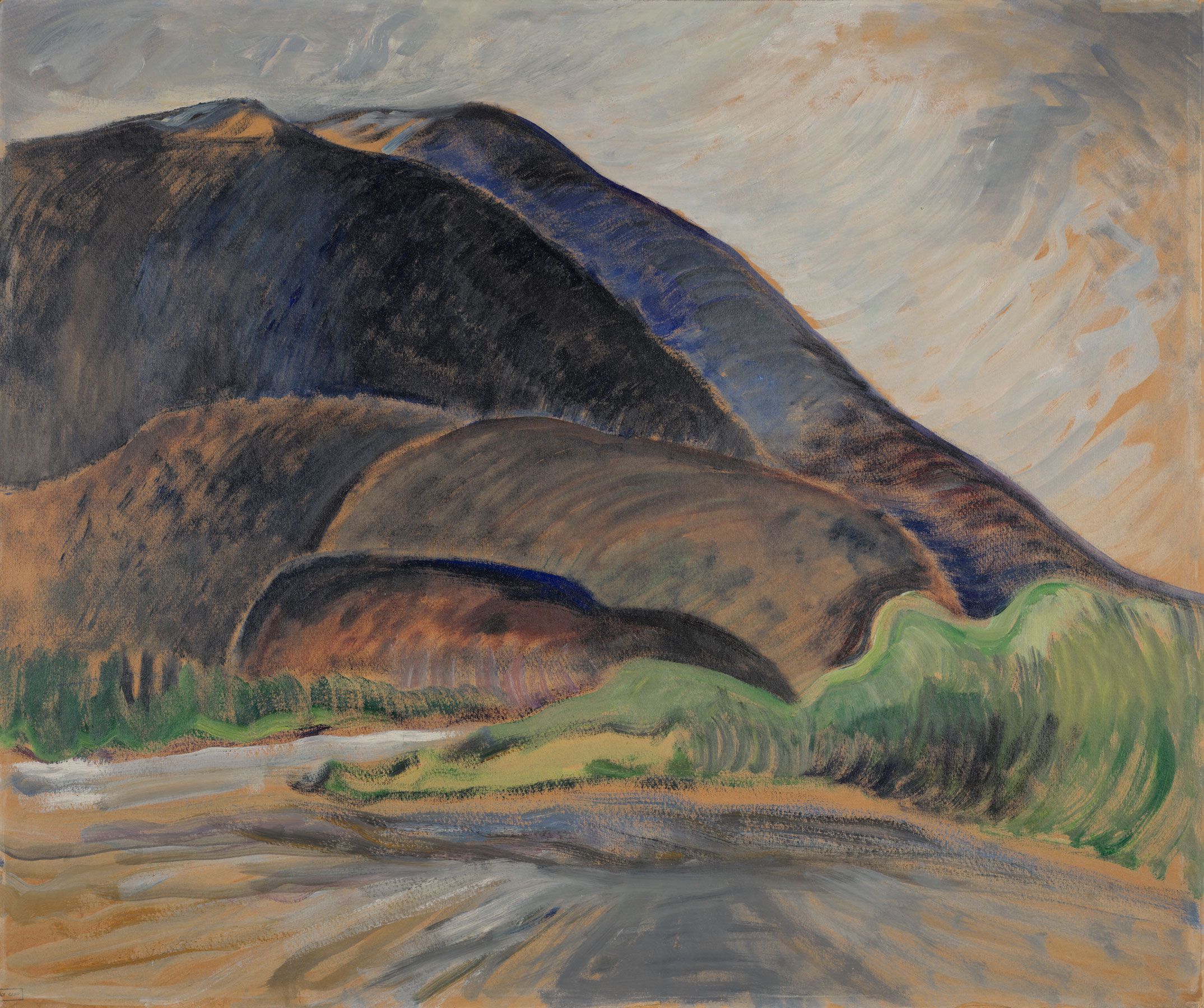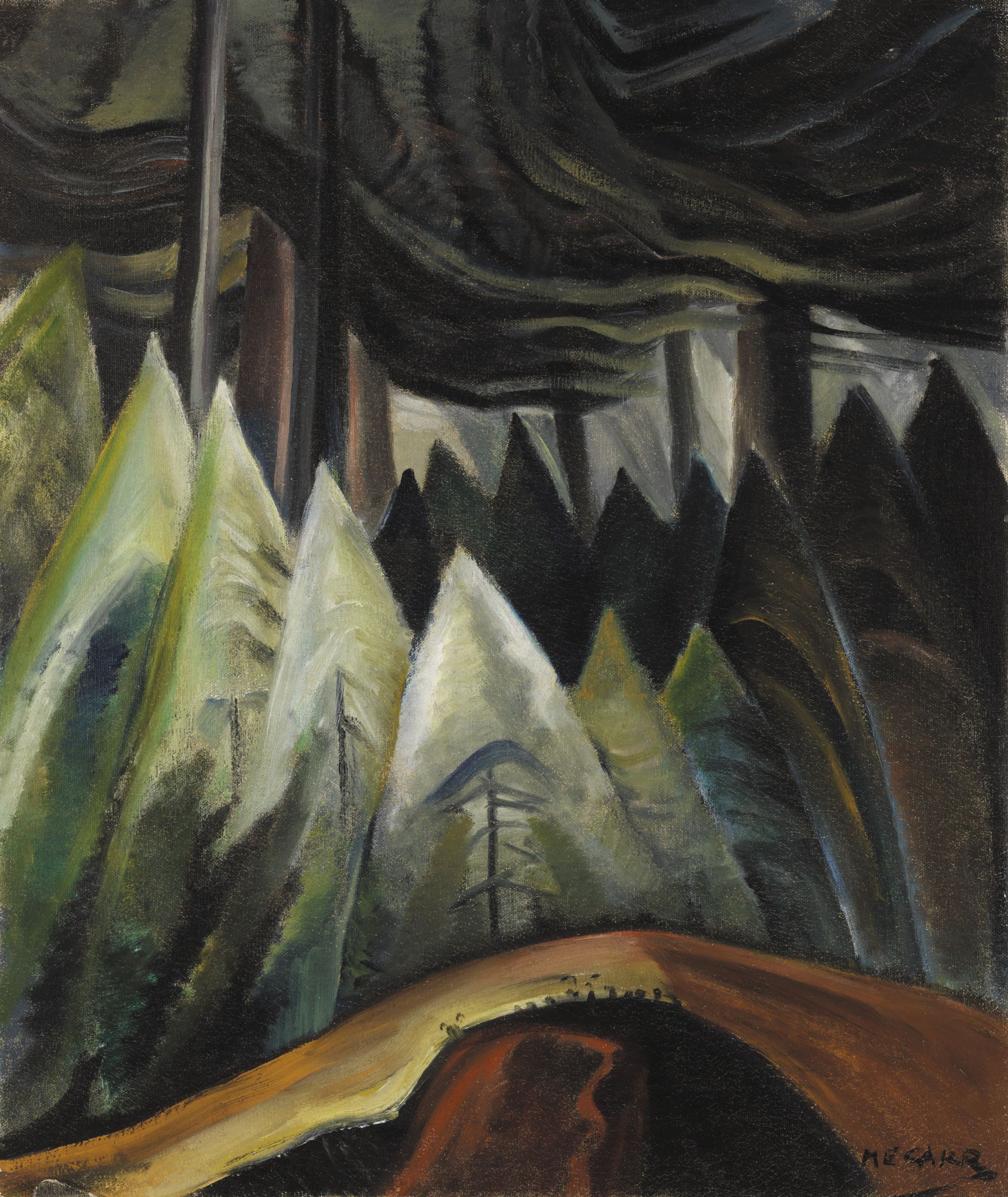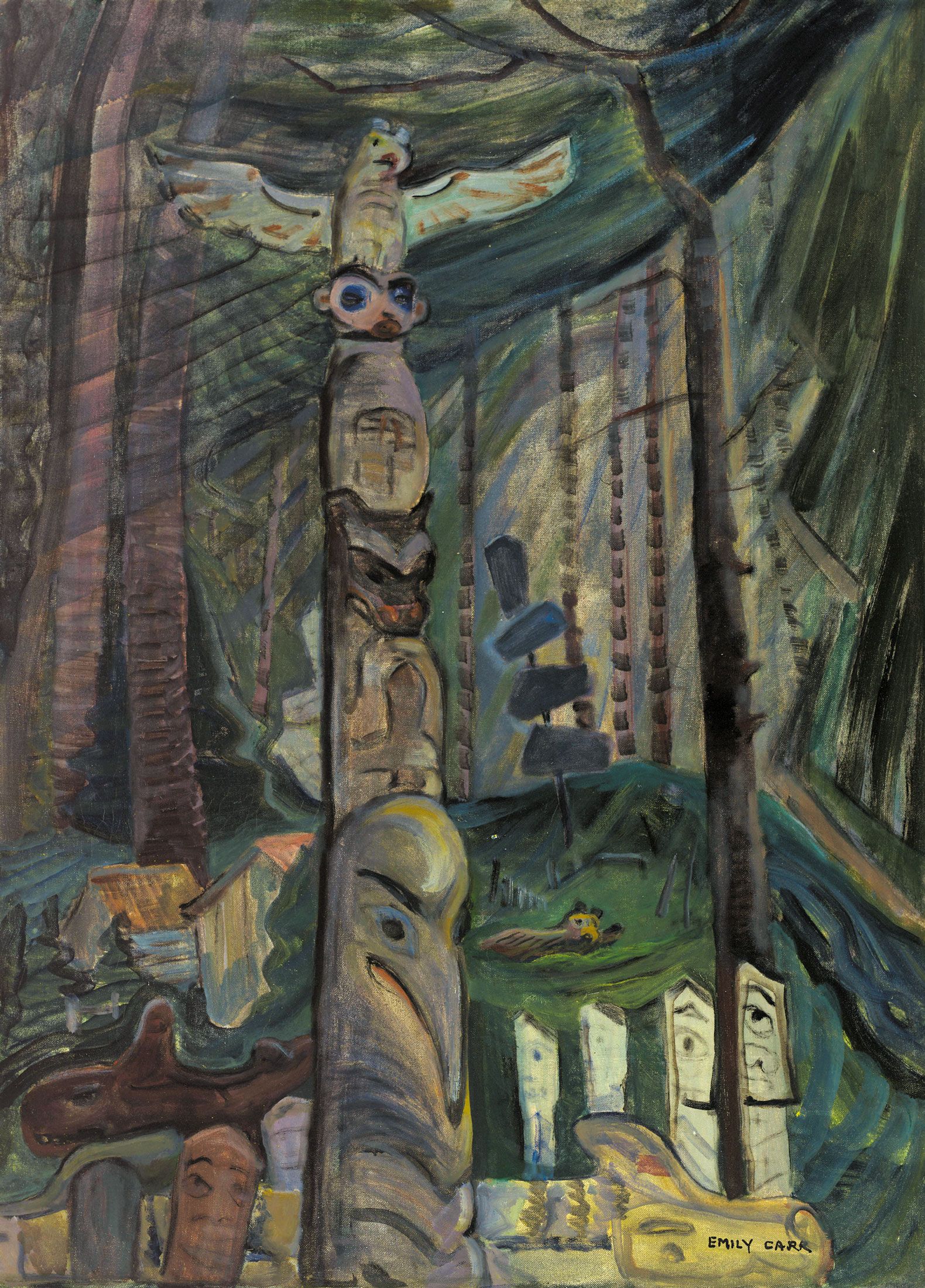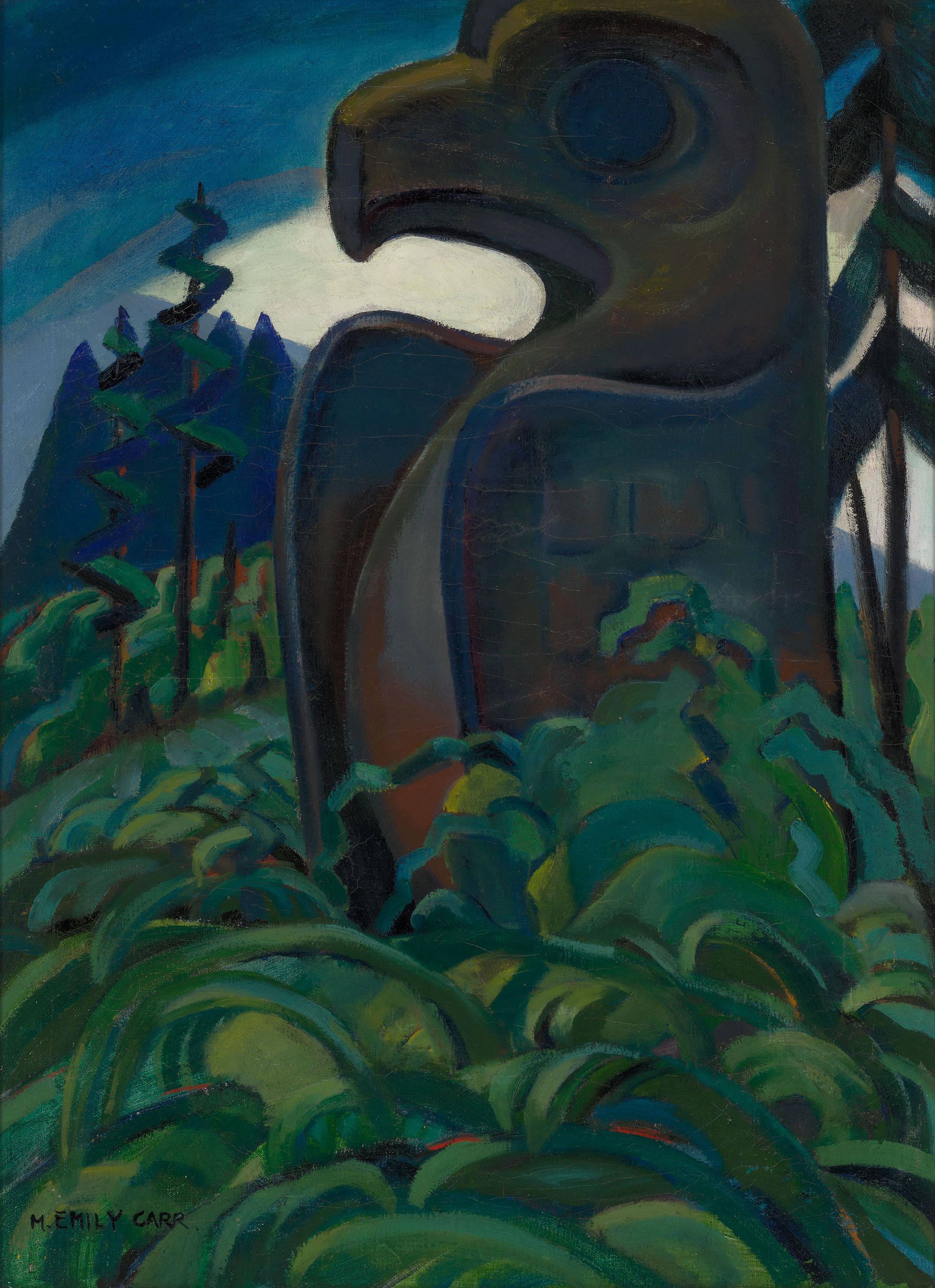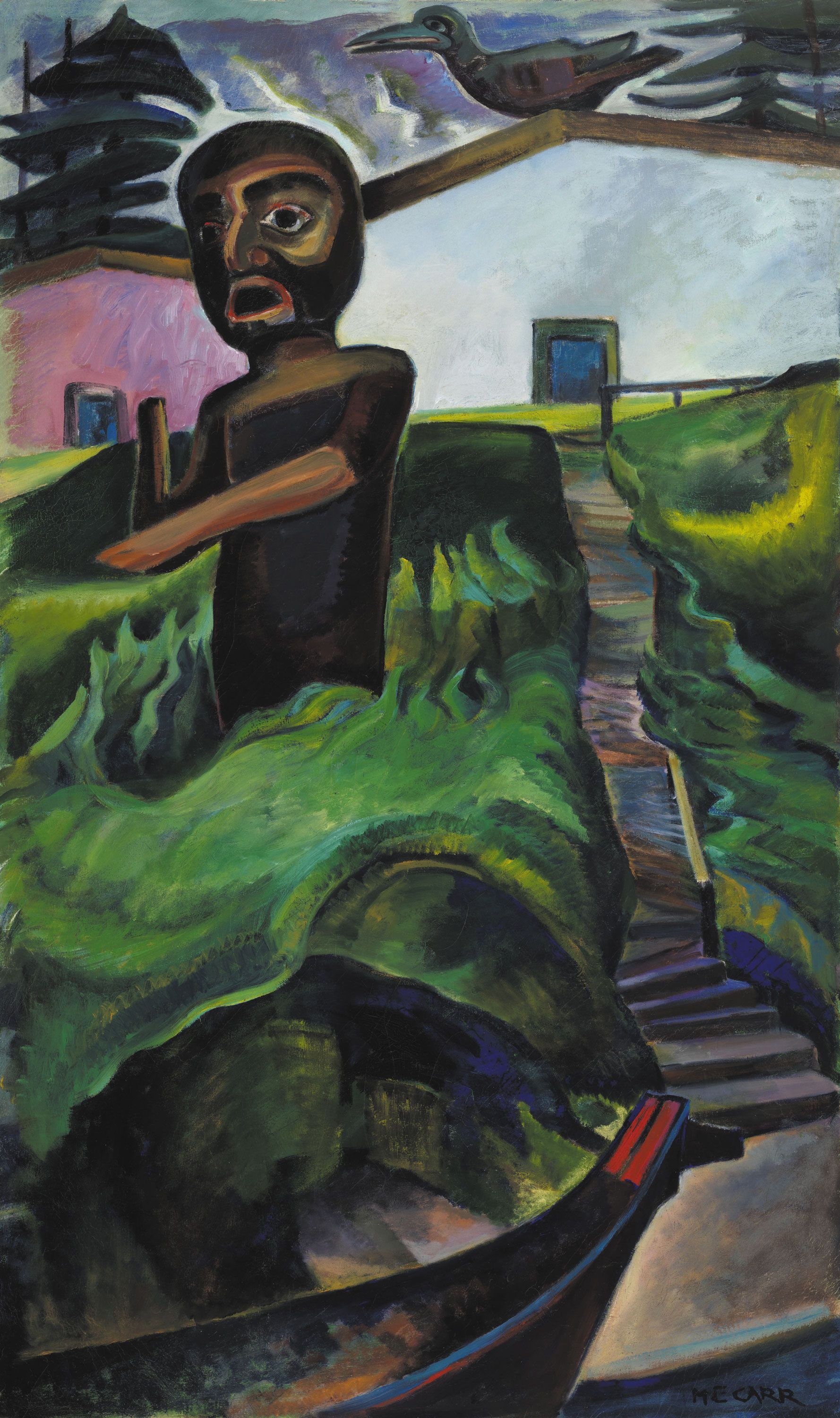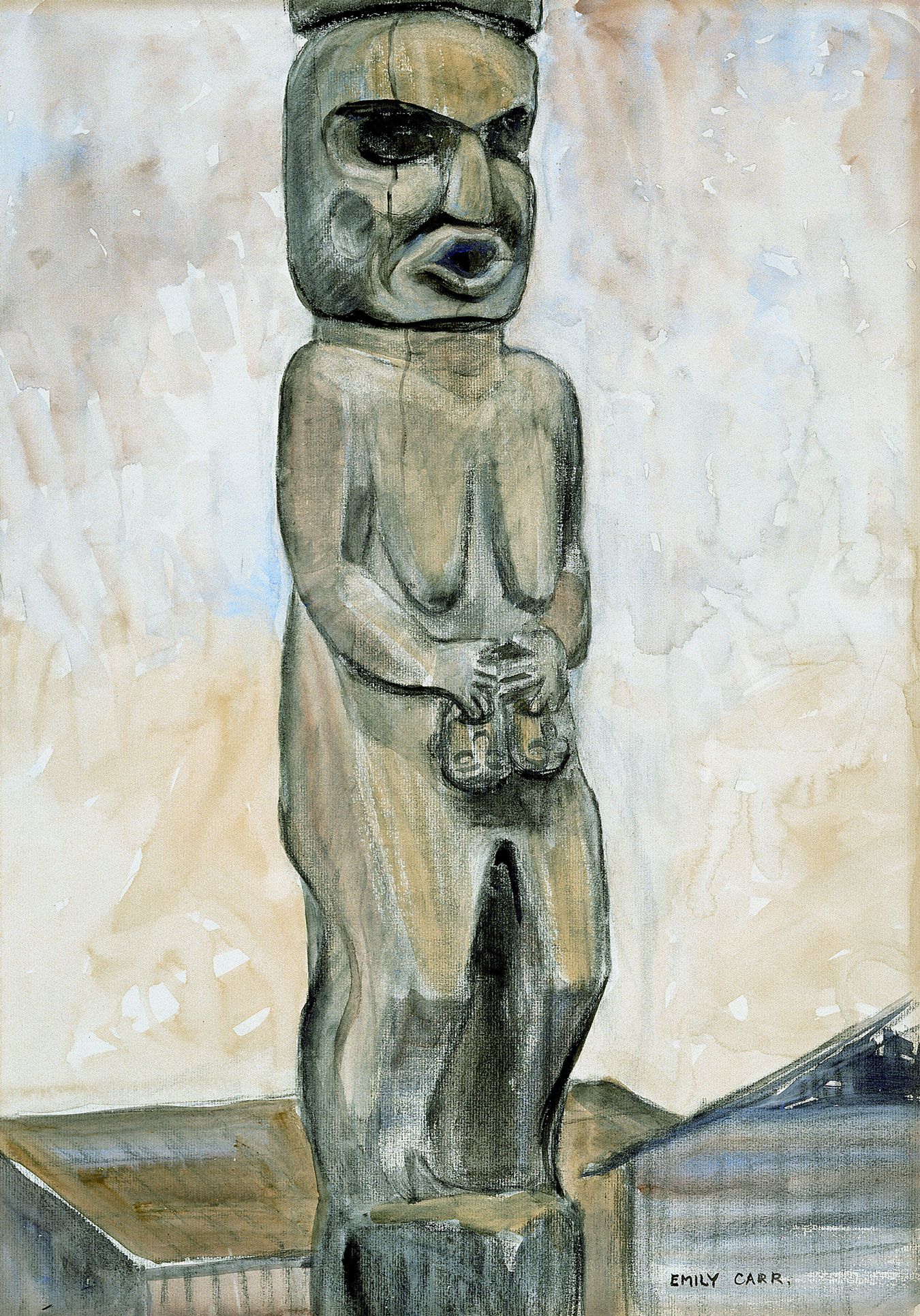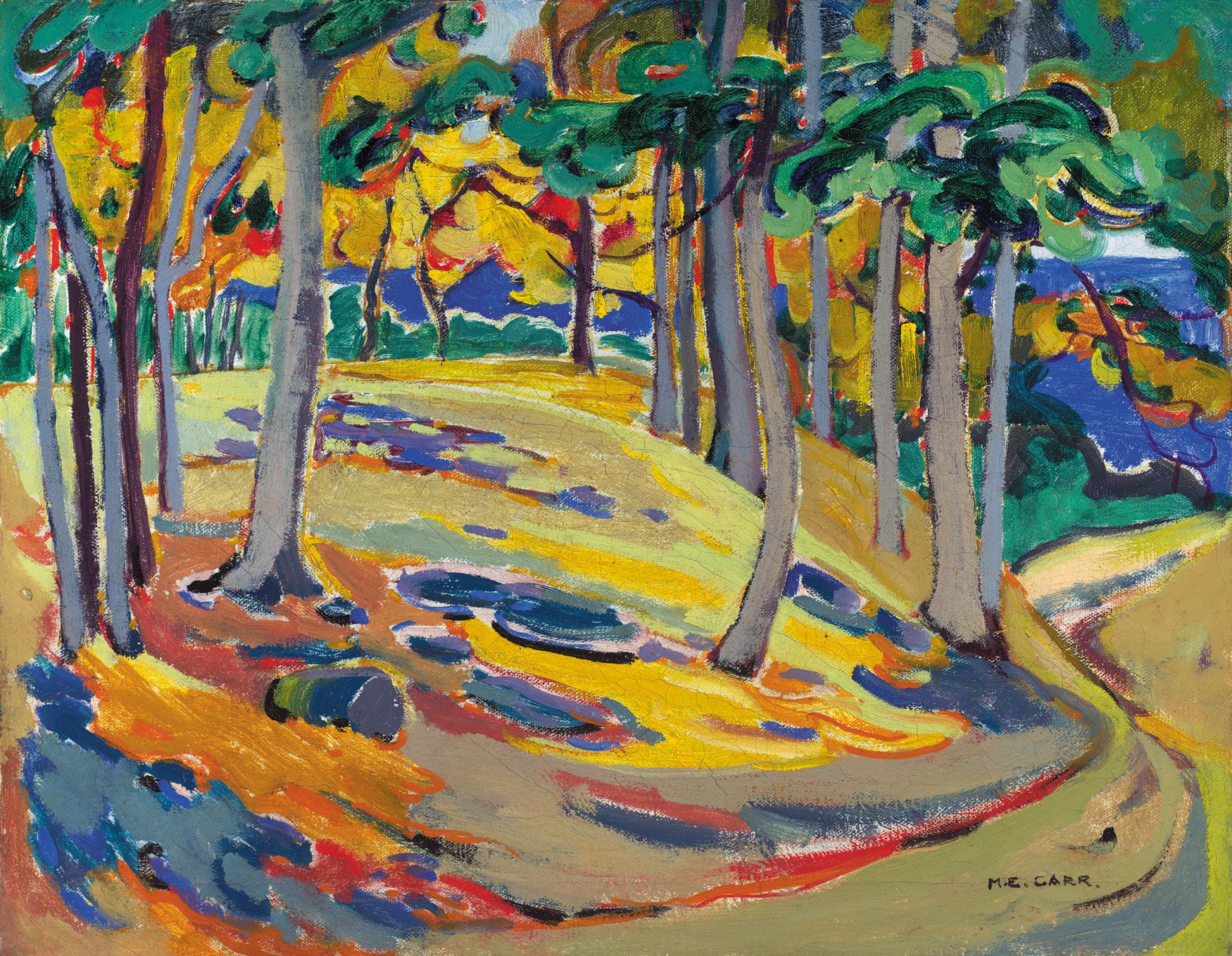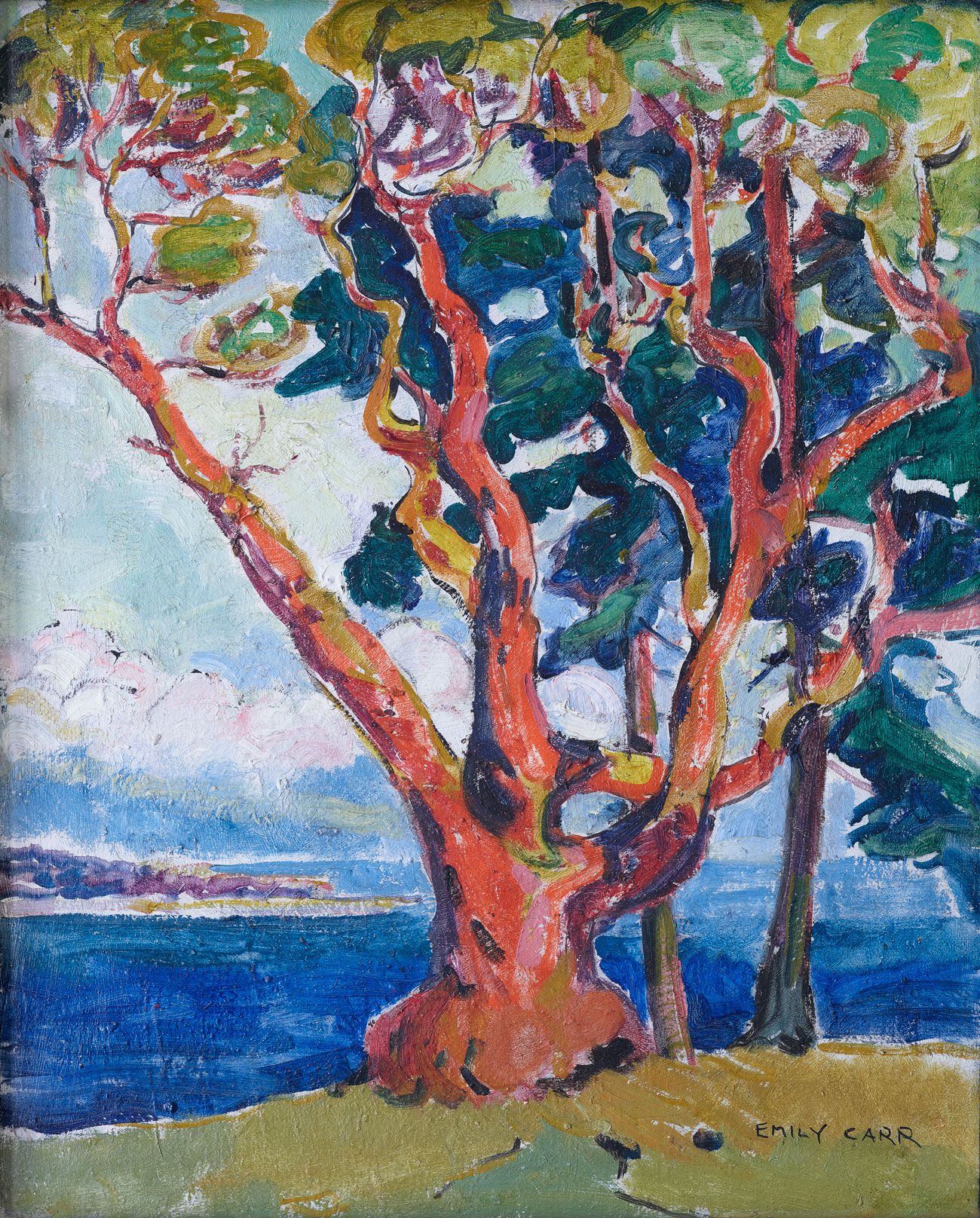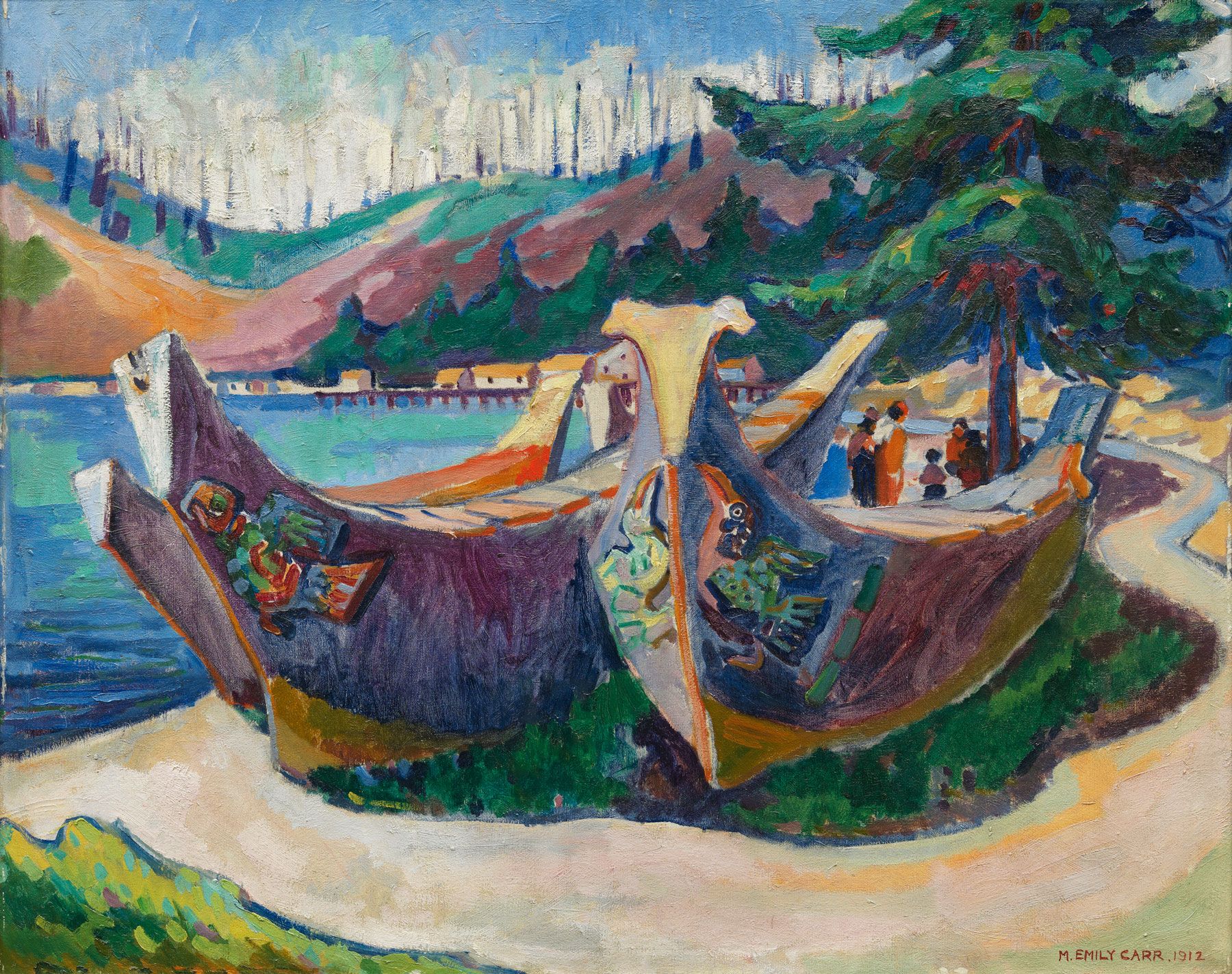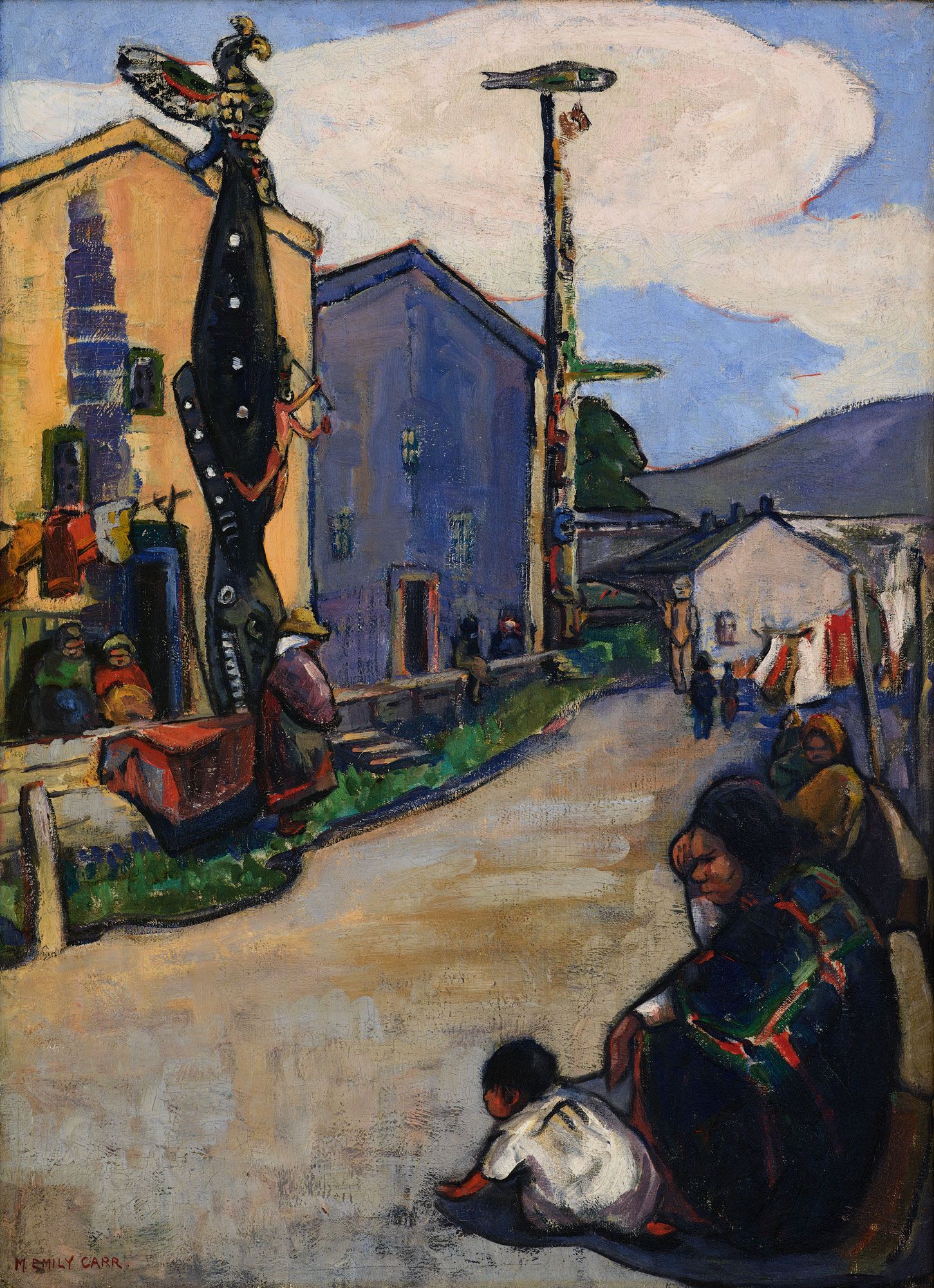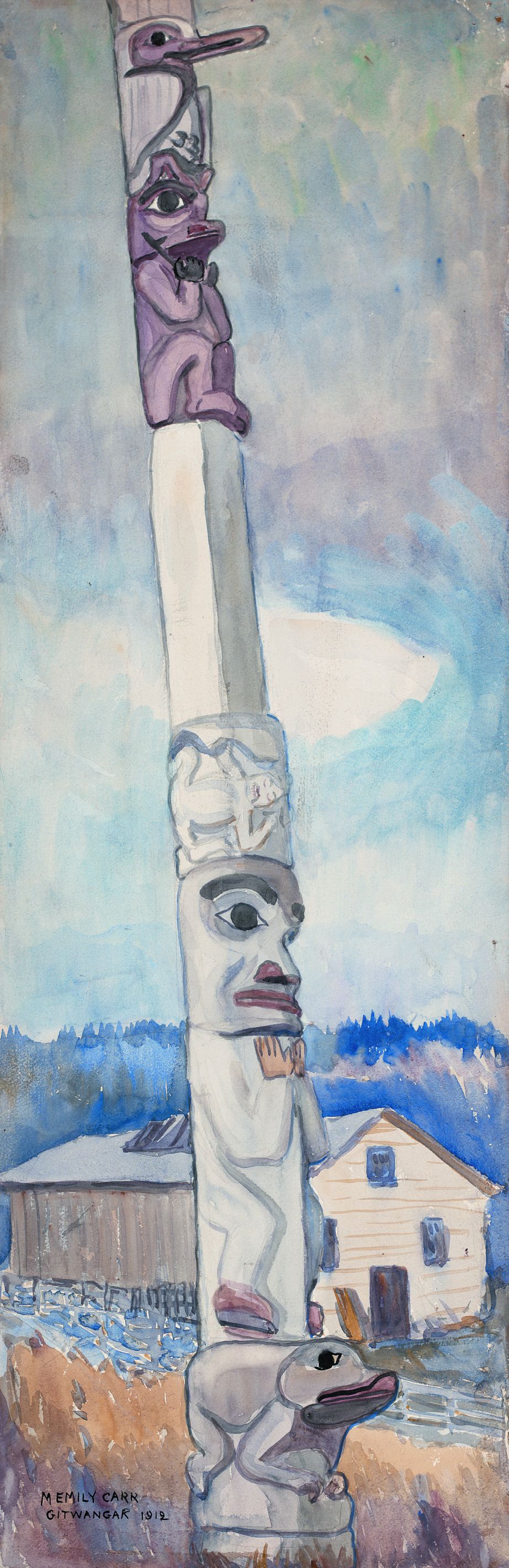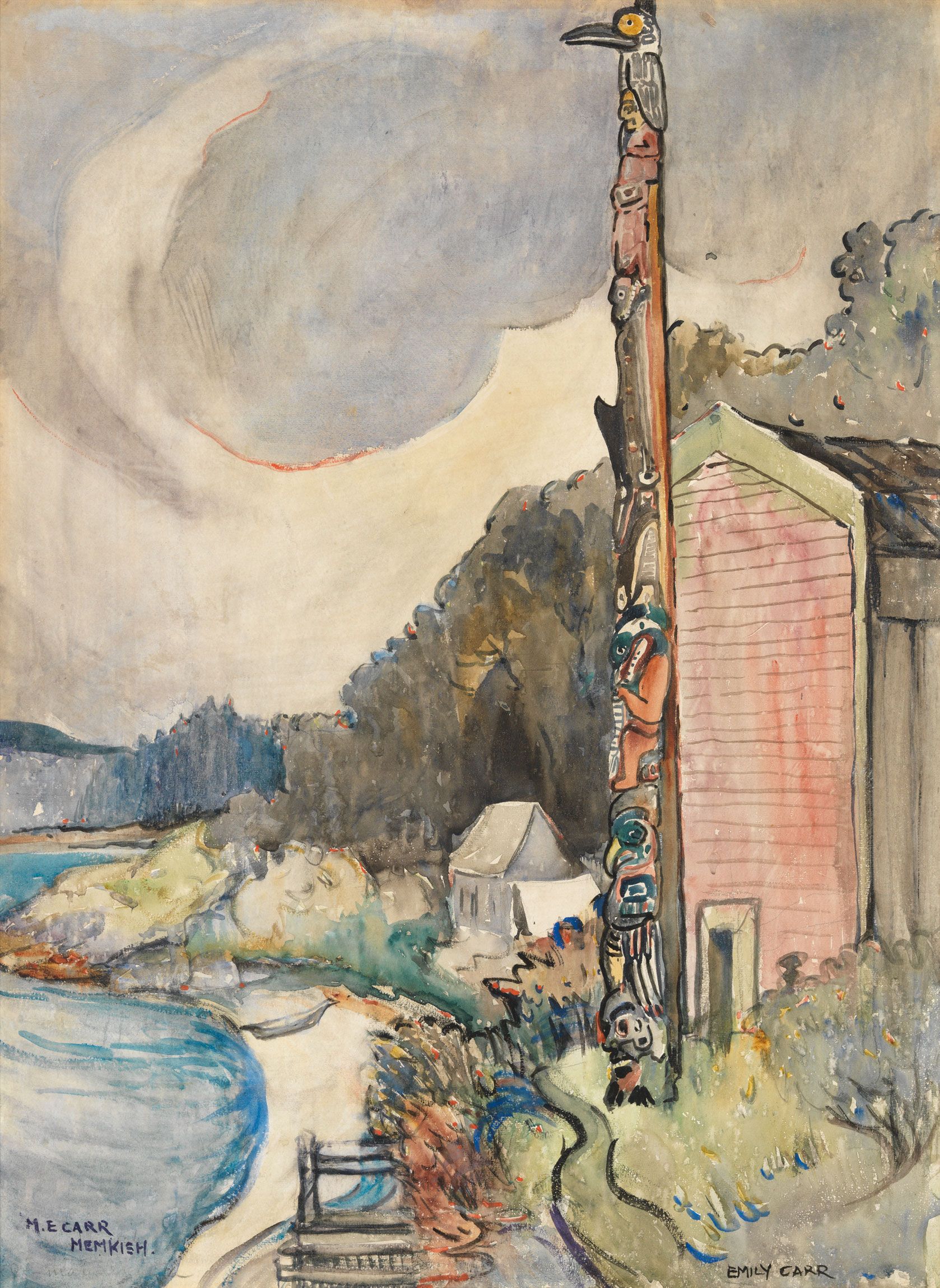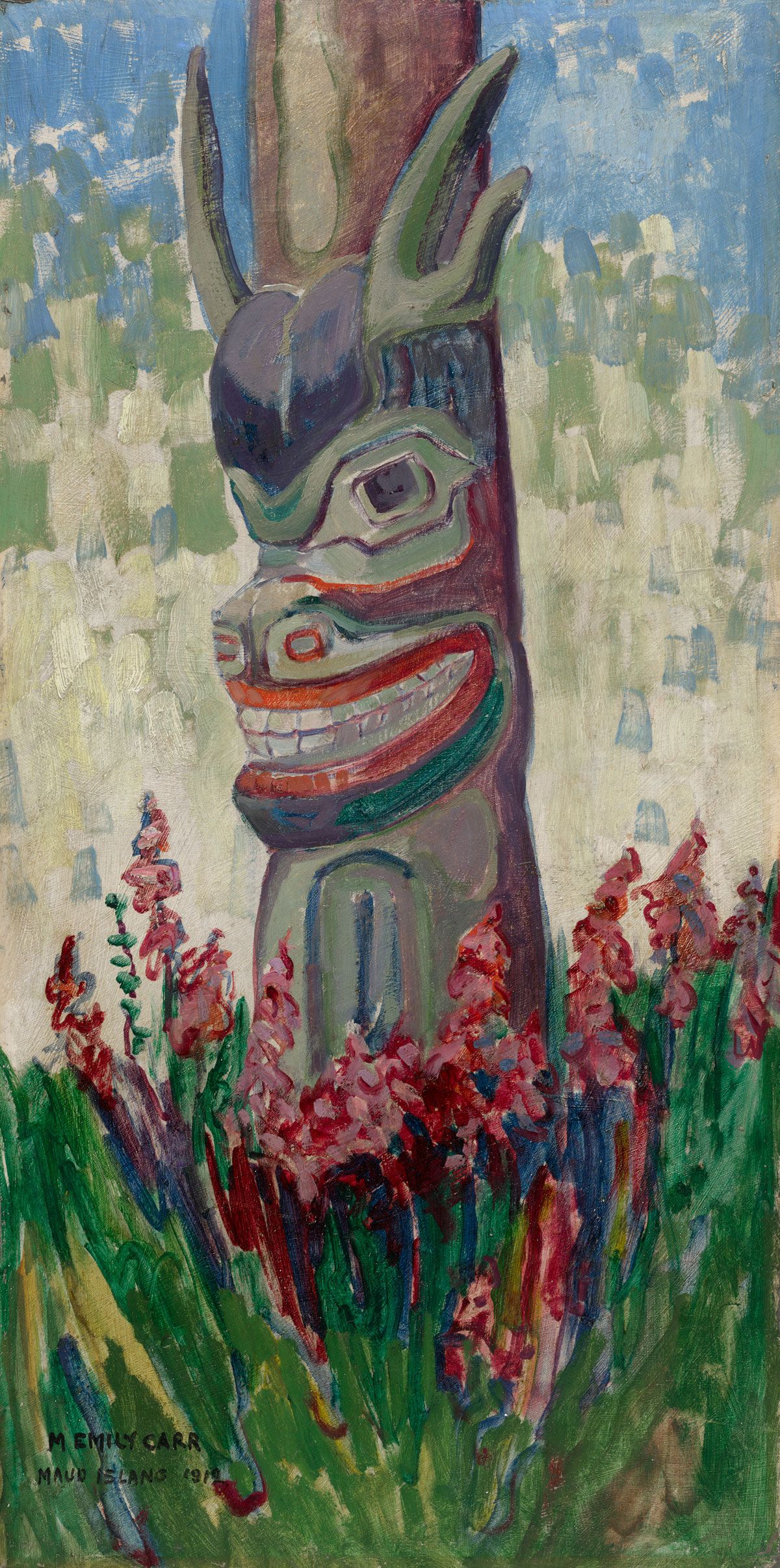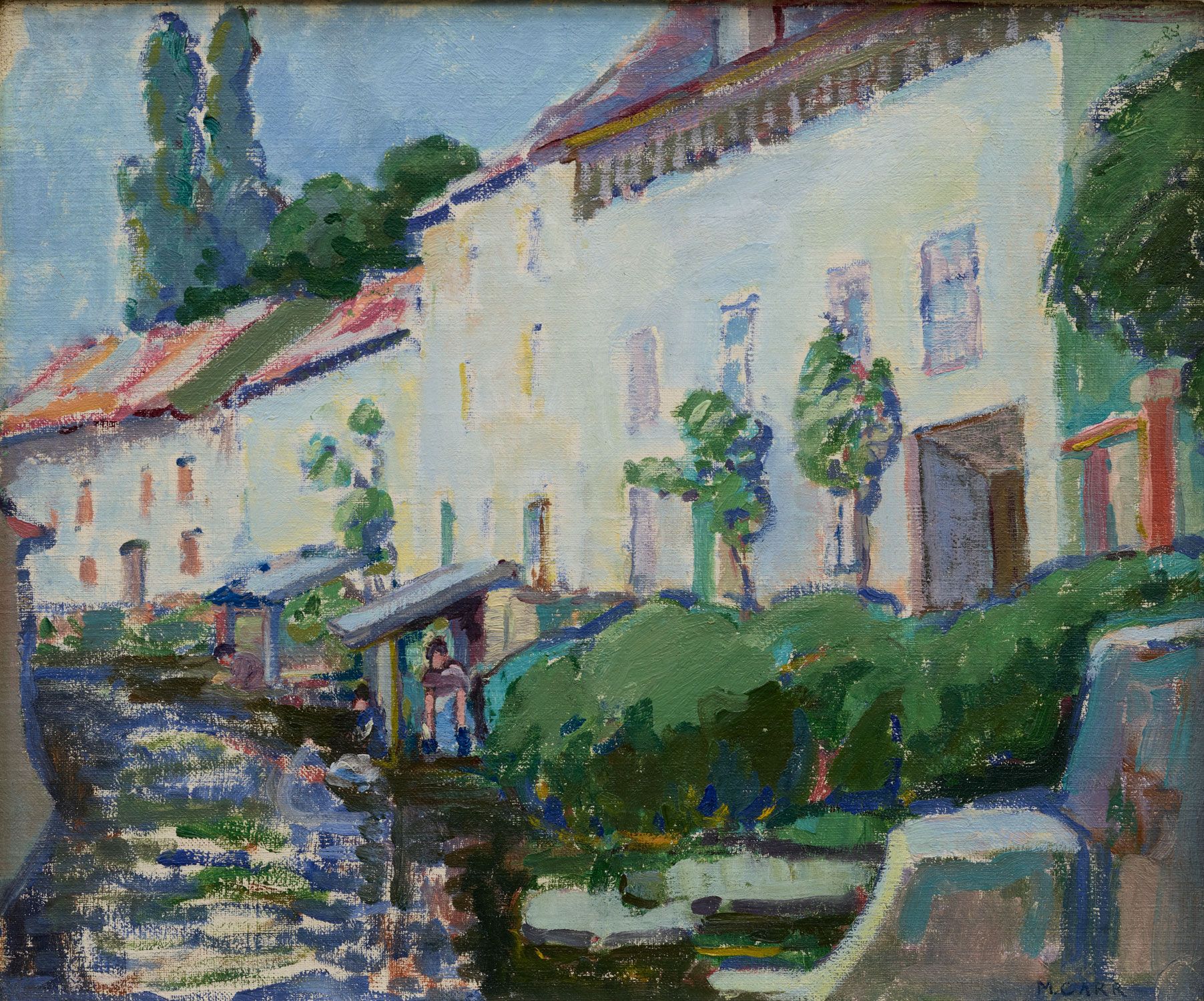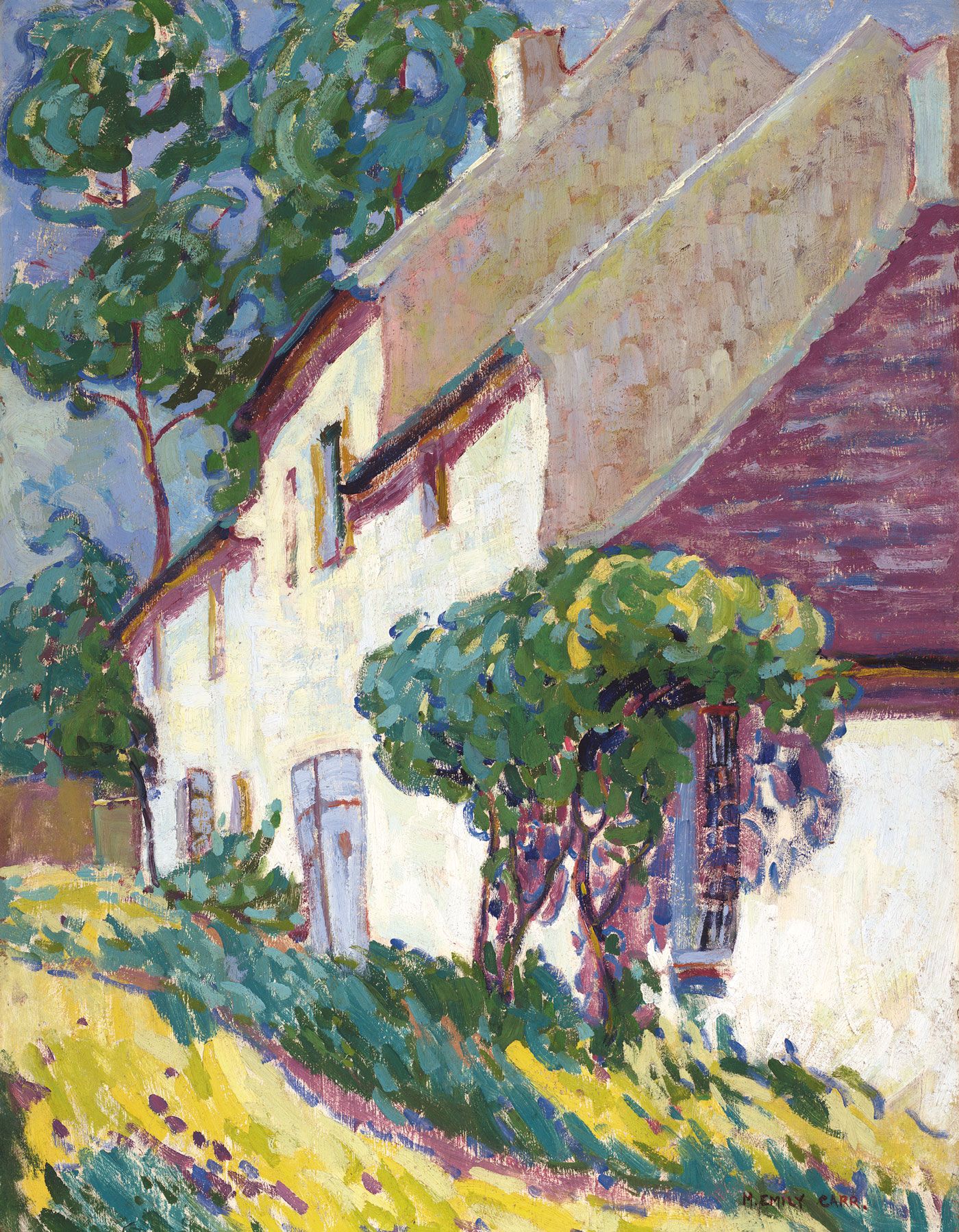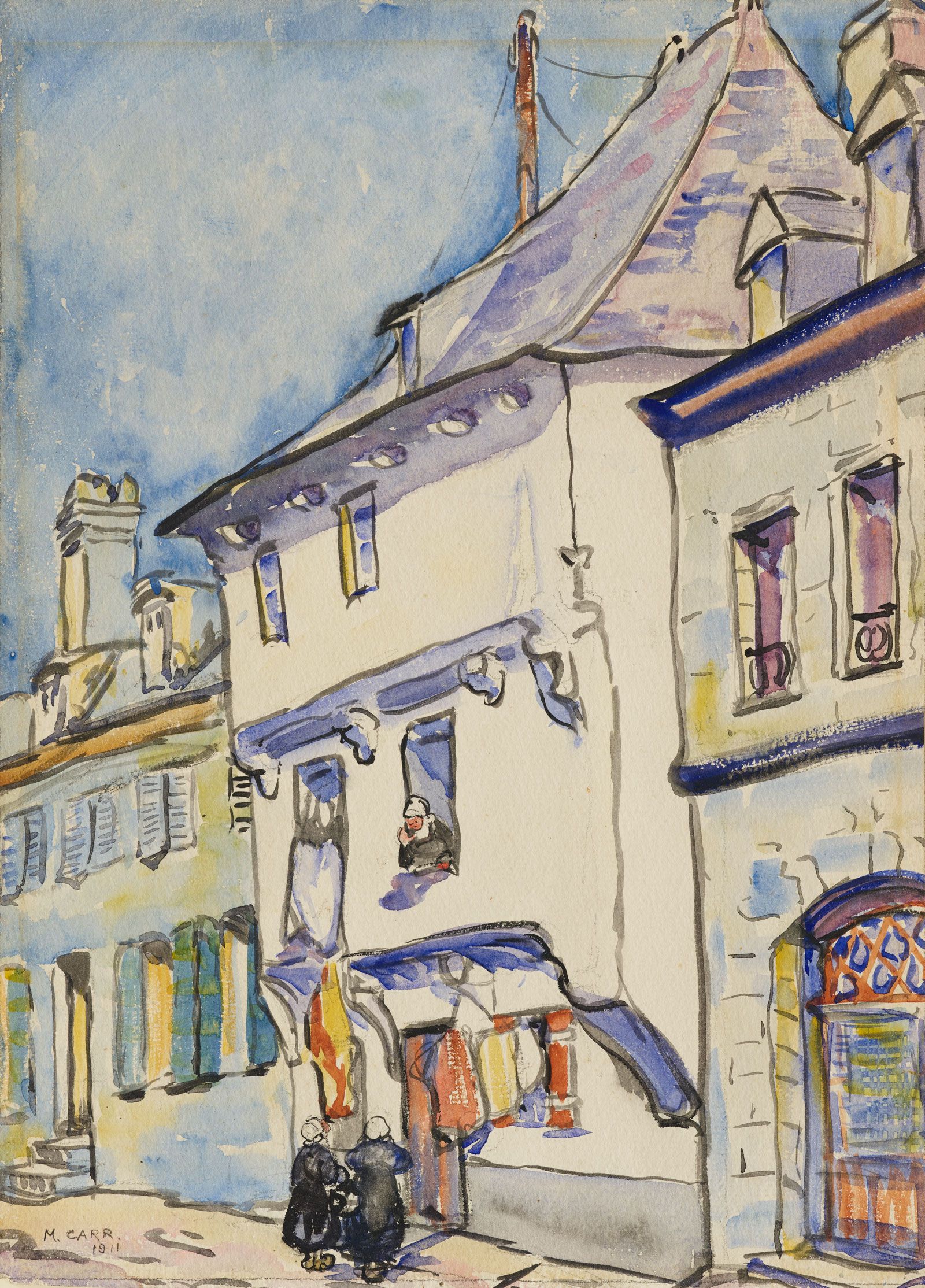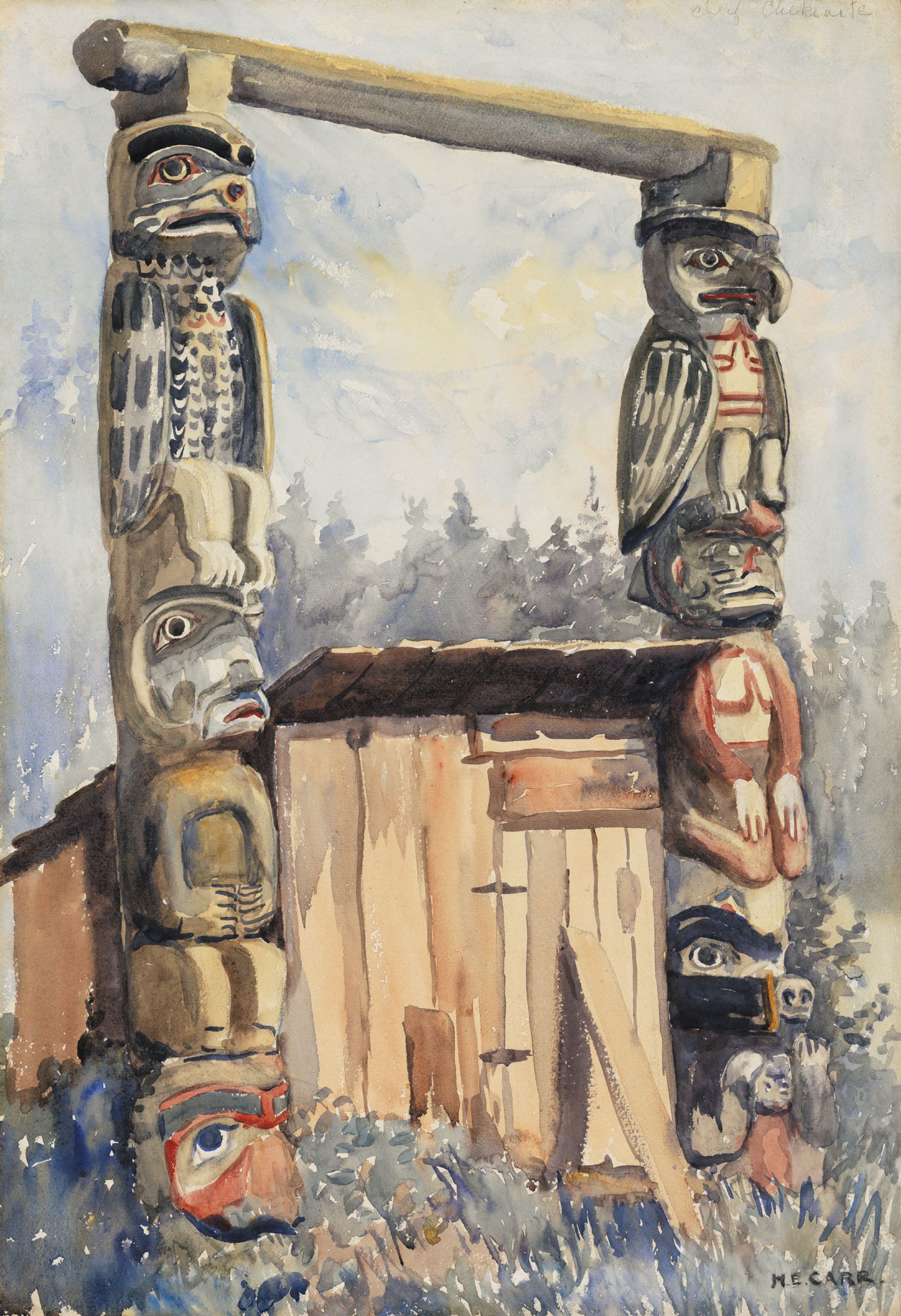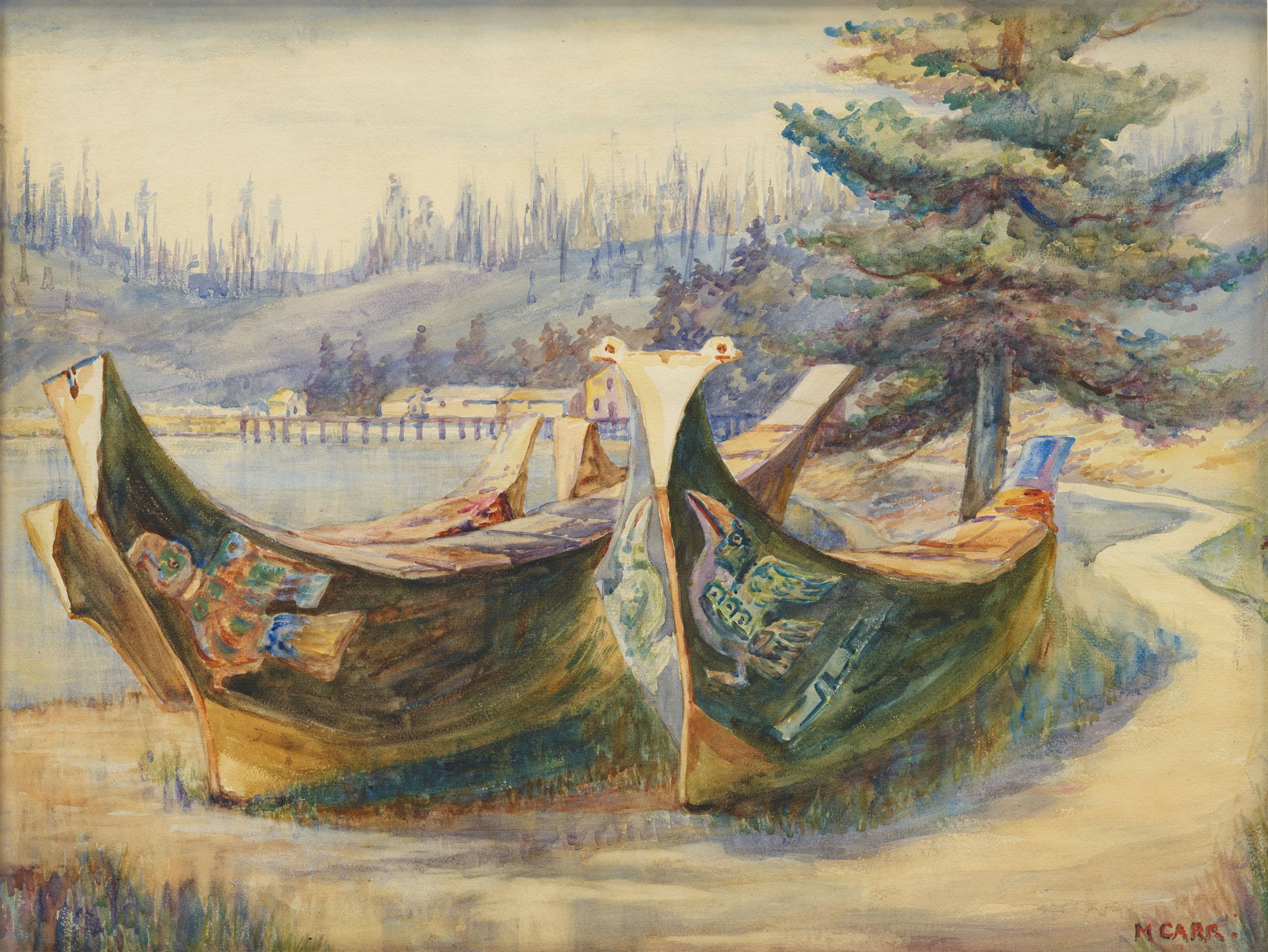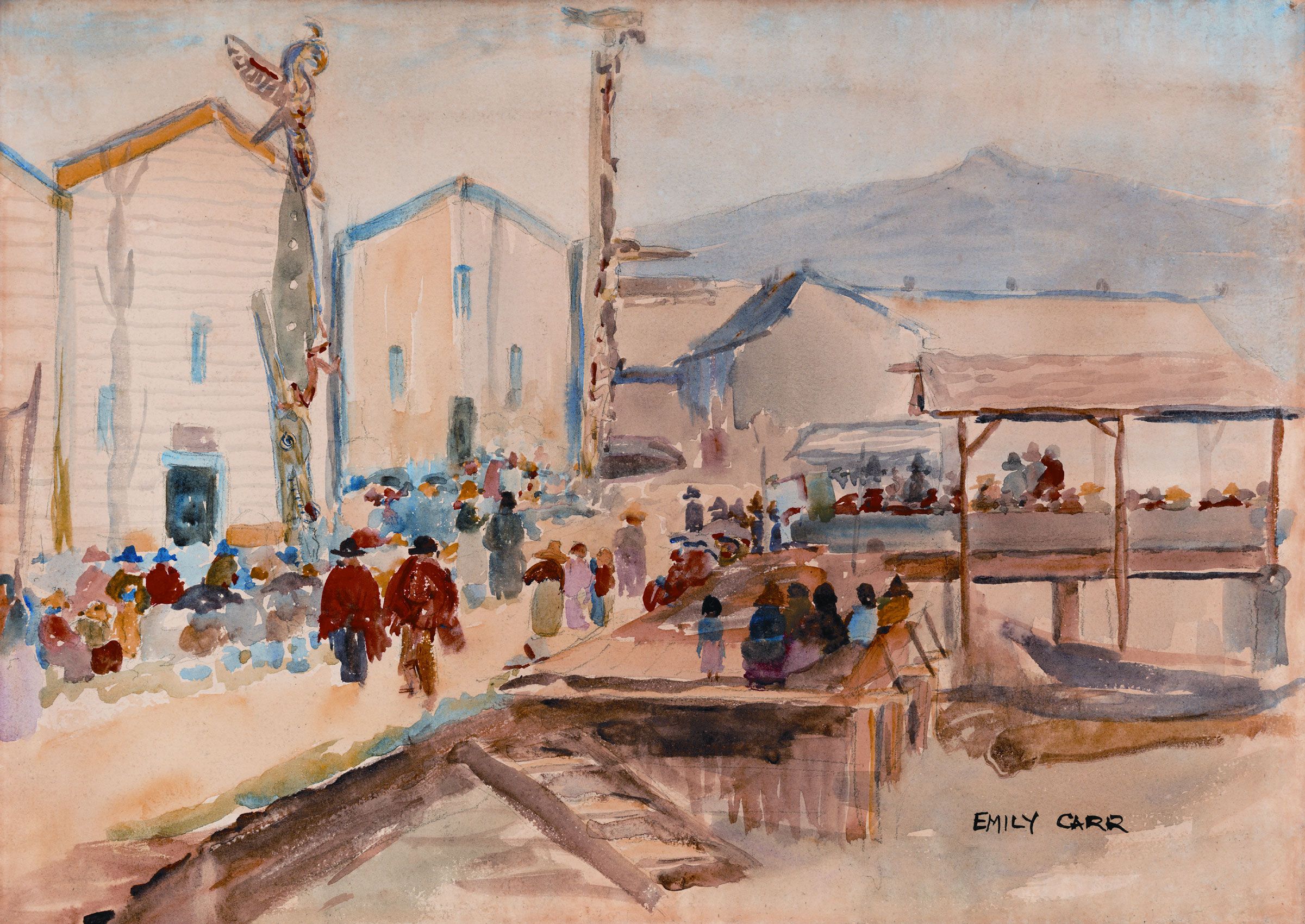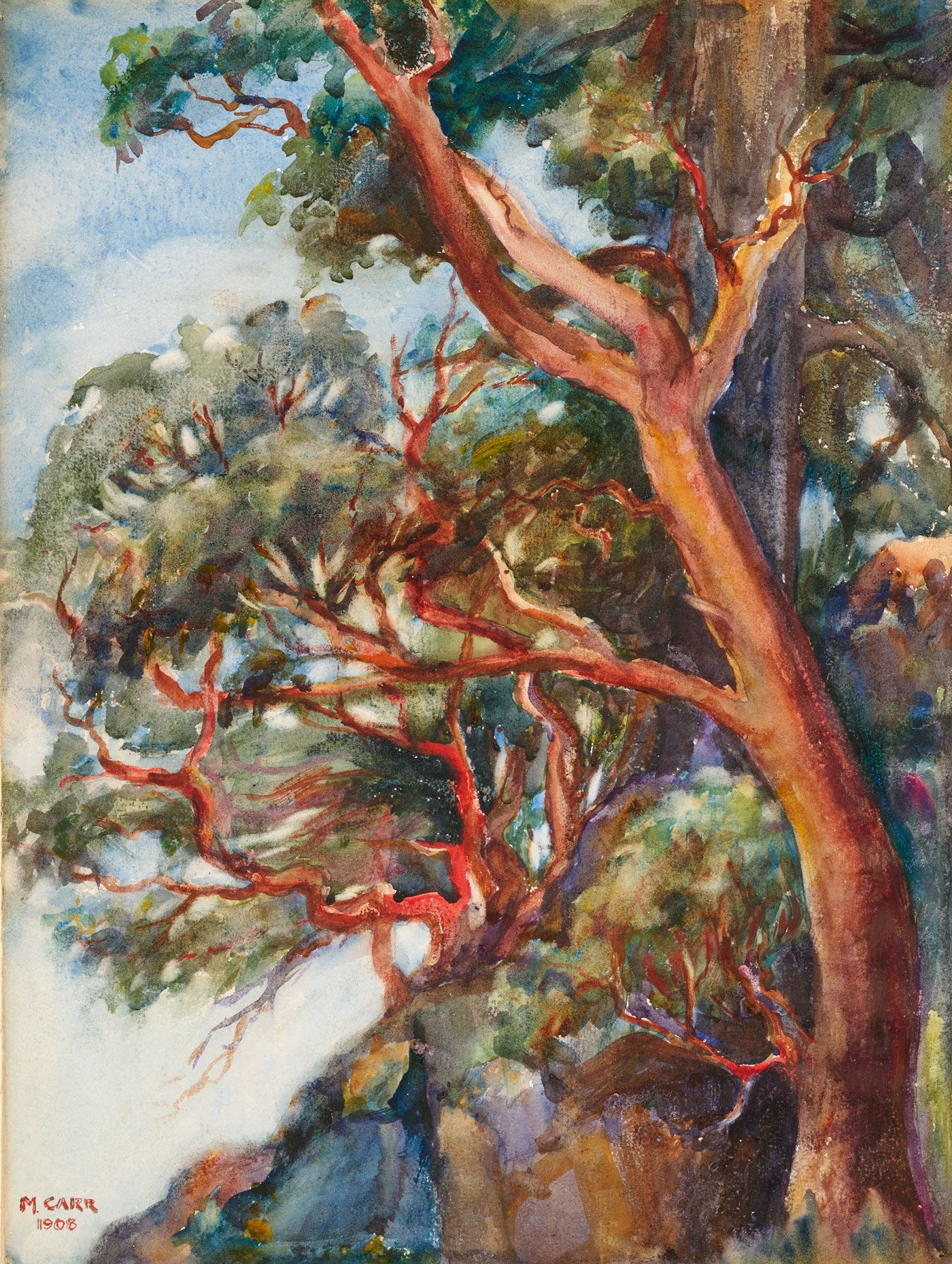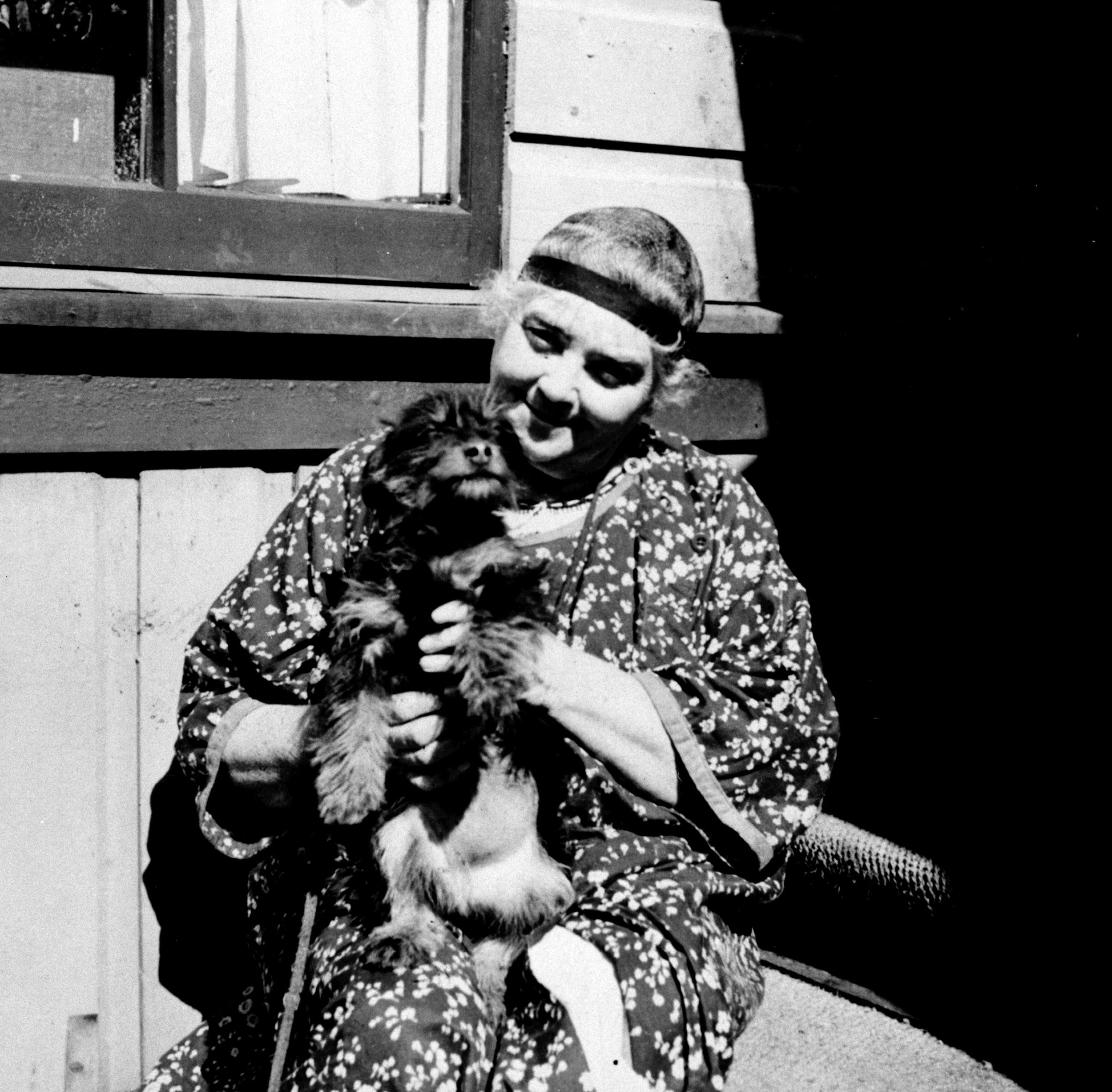
Emily Carr is a renowned Canadian artist celebrated for her paintings of old-growth trees and monumental Indigenous art in British Columbia. Her autobiographical stories, which offer an intimate look at her life, Indigenous communities on the Northwest Coast, and her beloved animals are fascinating. Determined to advance her artistic talent, Carr studied art in the United States and England. Her exposure to Post-Impressionism and Fauvism during her studies in France from 1910 to 1911 inspired her to depart from earlier conservative art traditions and cultivate her distinctive style.
Living and working in Victoria, BC, Carr faced challenges in gaining critical acceptance as an artist during her lifetime. However, her first book, Klee Wyck, published in 1941, earned her Canada’s highest literary honour, the Governor General’s Literary Award for Non-Fiction.
Carr gained the critical acclaim when she became Canada’s first female artist to be featured in its inaugural presentation at the XXVI Venice Biennale in 1952. In consultation with Lawren Harris, the Biennale selection committee chose Carr’s Survival (c. 1940), Church at Yuquot (1929), Blunden Harbour (1930) and Logged-over Hillside (c. 1940), alongside works by David Milne, Goodridge Roberts, and Alfred Pellan.
Emily Carr's profound commitment to developing her own expression has made her Canada's exceptional artist, internationally acclaimed for her contributions to visual arts and literature.