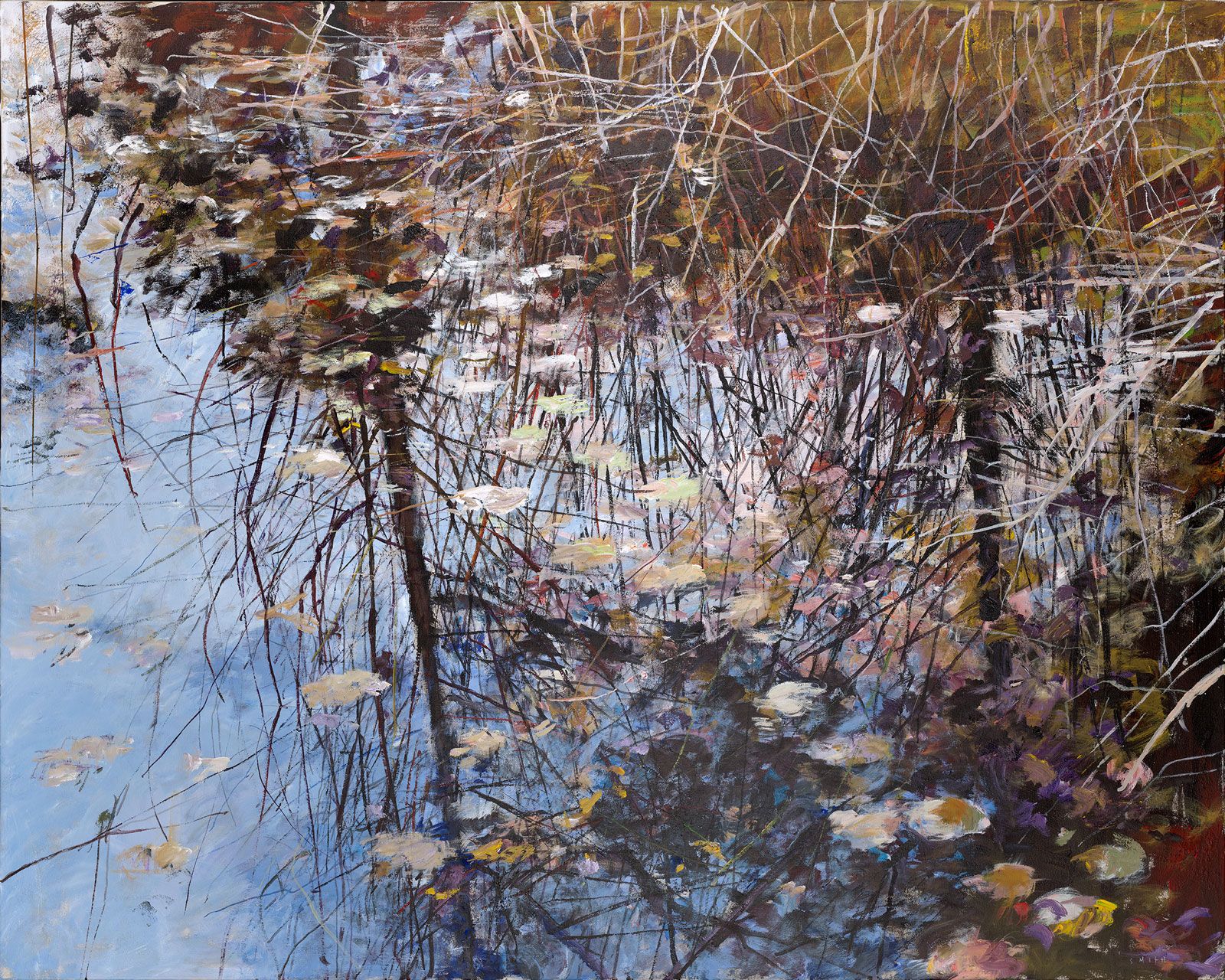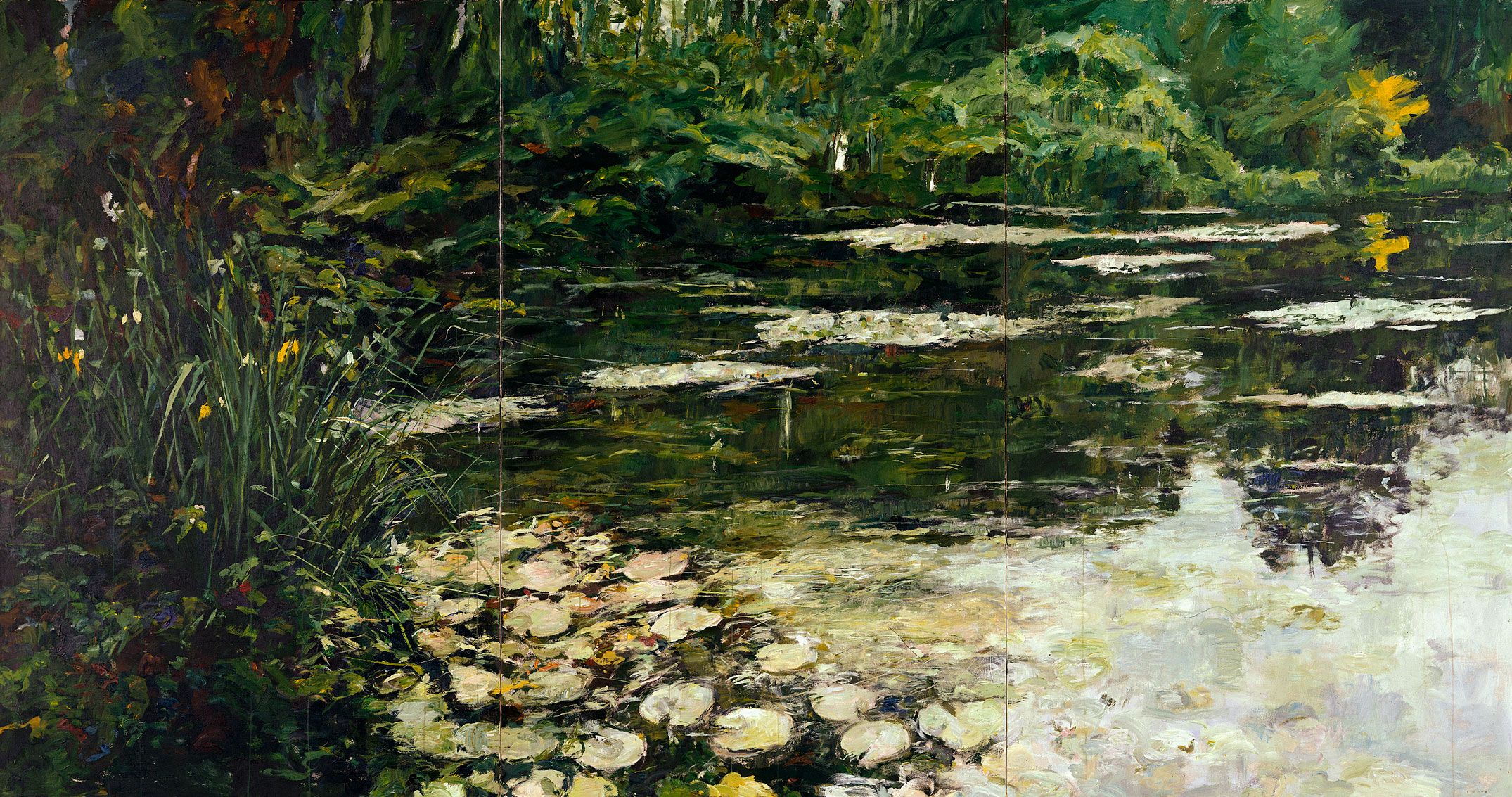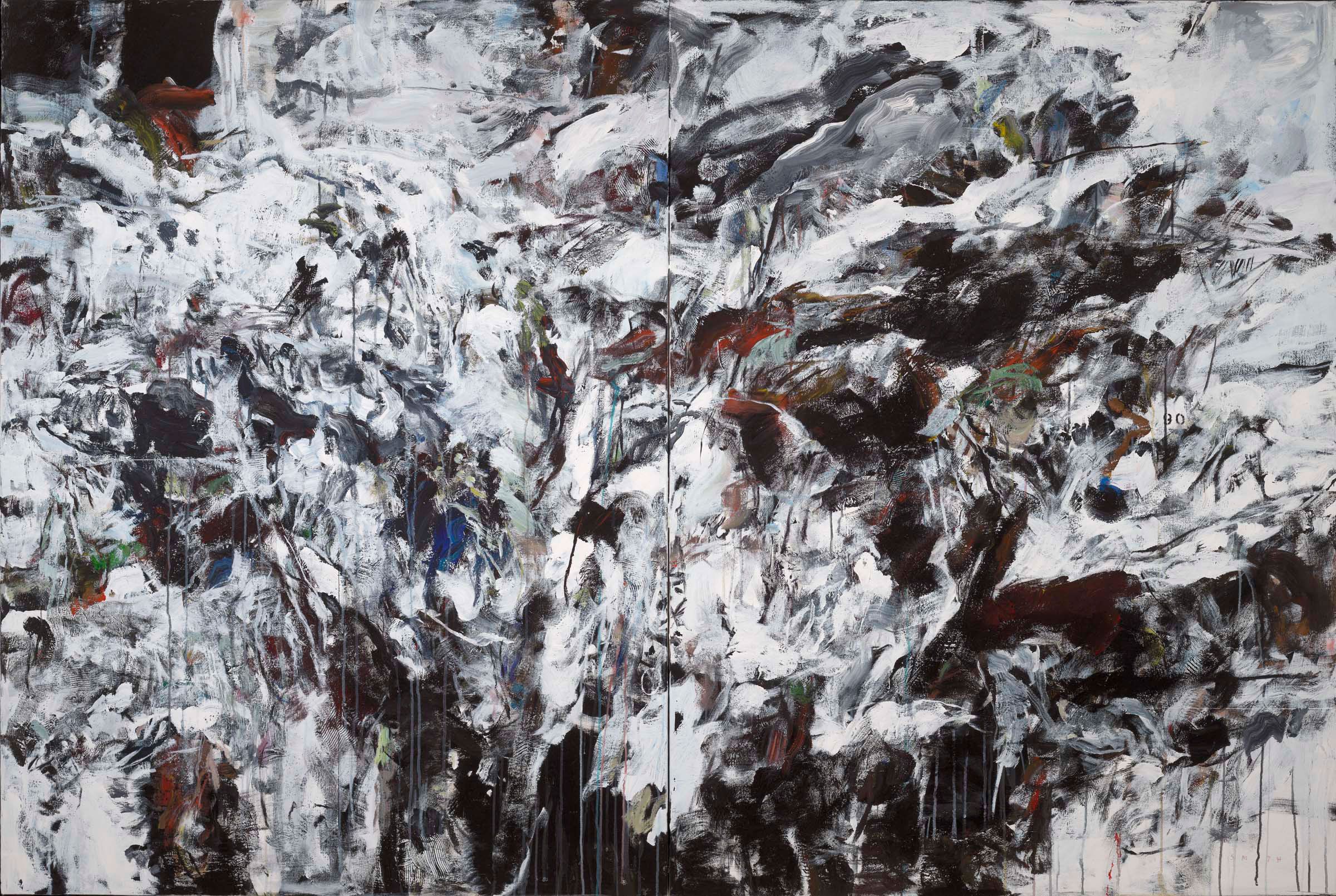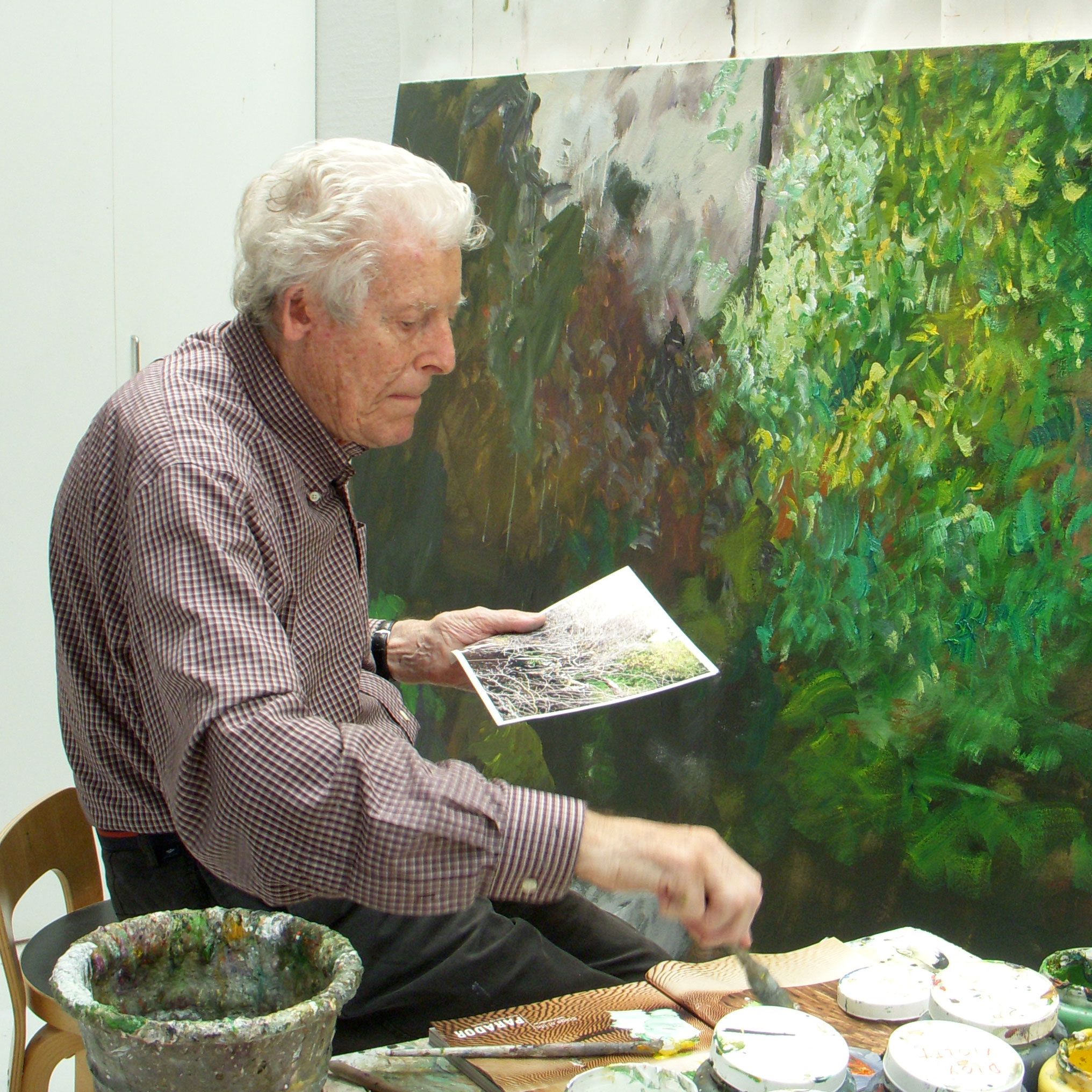
Acclaimed Canadian artist Gordon Smith passed away in 2020 at the age of 100. Born in East Brighton, England, in 1919, Smith immigrated to Canada with his mother and brother, settling in Winnipeg in 1933. He received his art training at the Winnipeg School of Art from 1937 to 1940. During the Second World War, Smith served overseas and was wounded in Sicily in 1943. He recuperated in Tunisia and later in England, returning to Vancouver in 1944.
While undergoing continued therapy for his injuries, Smith completed his high school education, had his first solo exhibition at the Vancouver Art Gallery, and enrolled in the Vancouver School of Art (now Emily Carr University of Art + Design) in 1945. He worked with Jack Shadbolt (1909–1998), Charles H. Scott (1886–1964) and others, graduating in 1946. Smith began teaching at the Vancouver School of Art the same year. In 1951, he took further training at the California School of Fine Arts (now the San Francisco Art Institute), working with painters Elmer Bischoff (1916–1991) and James Budd Dixon (1900–1967). Smith had, since the mid-1940s, worked during the summers at the Normal School (a facility that trained school teachers) and, in 1956, he joined the Faculty of Education at the University of British Columbia, where he taught with distinction until his retirement in 1982.
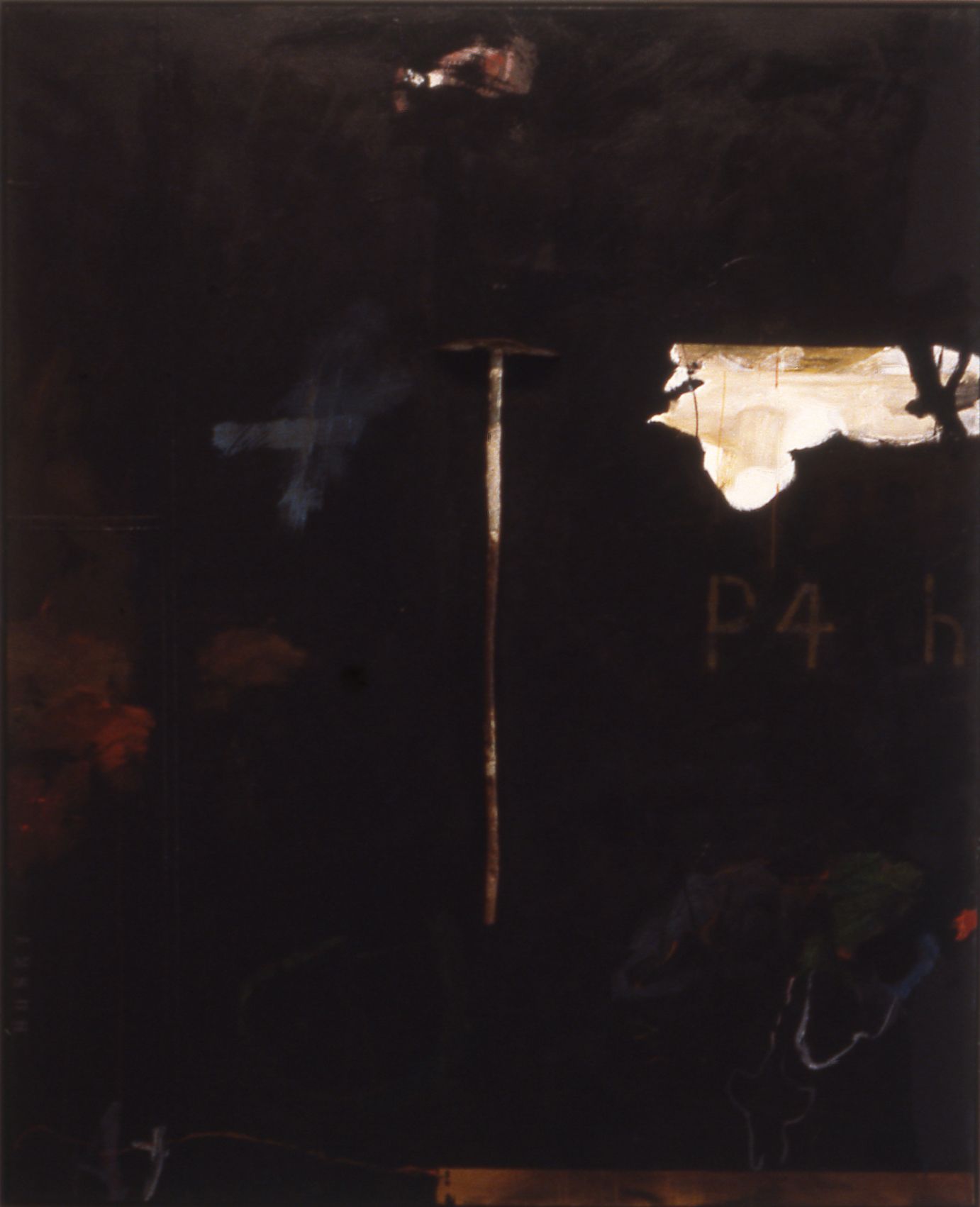
Gordon Smith’s exhibition career spanned over seventy years, as he constantly developed new aesthetic formats that are both representational and abstract. Among many of his distinctive works, Smith’s Black paintings are perhaps the most personal based on his wartime experience that continued to haunt him throughout his life. He made Black Paintings at irregular intervals from the 1990s to 2000s through channeling into his deep psyche and difficult past.